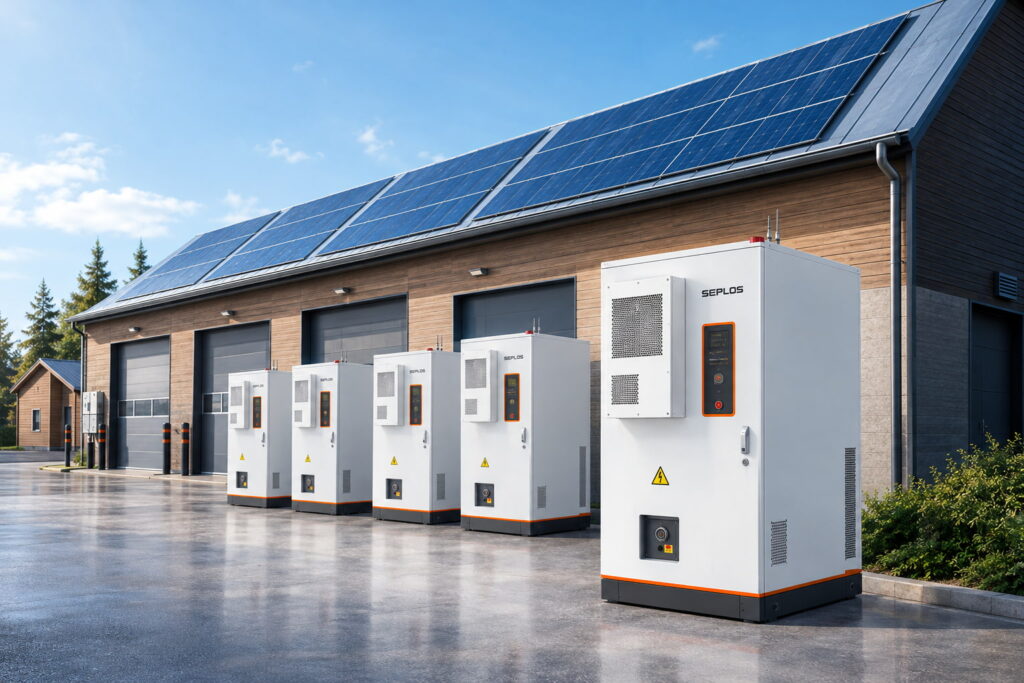
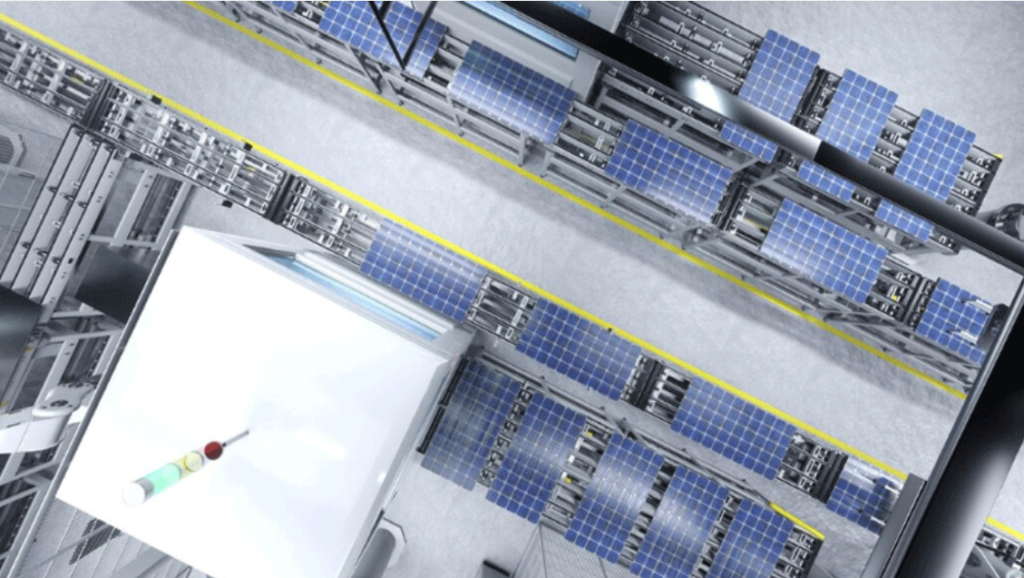
Commercial battery backup helps factories and office parks maintain critical power during outages, reduce downtime risk, and improve energy resilience. When combined with commercial energy storage batteries, BMS protection, and EMS control, a backup power system can also support peak shaving, load shifting, renewable energy use, and more stable daily operation.
In today’s competitive business environment, factories and office parks are looking for innovative ways to cut costs and ensure seamless operations. One effective solution that has gained traction is the use of commercial energy storage battery. These systems not only provide significant cost savings but also improve operational efficiency and sustainability.
How Commercial Battery Backup Supports Factories and Office Parks
| Business Need | How Battery Backup Helps | Typical Site |
|---|---|---|
| Power outage protection | Supplies stored energy during grid interruptions | Factories, office parks, warehouses |
| Downtime reduction | Keeps critical equipment and systems running | Production lines, security systems, IT rooms |
| Peak demand control | Discharges during high-load periods | Industrial parks, commercial buildings |
| Load shifting | Stores lower-cost electricity for later use | Sites with time-of-use tariffs |
| Renewable energy use | Stores solar or wind energy for later demand | Business campuses and mixed-use sites |
Peak Shaving and Load Shifting with Commercial Battery Backup
A primary advantage of commercial energy storage batteries is their ability to help businesses optimize electricity usage through peak shaving and load shifting. By storing energy during off-peak hours—when electricity rates are lower—businesses can discharge the stored energy during peak demand times when rates are at their highest. This practice effectively reduces the amount of energy drawn from the grid during expensive peak hours, thus minimizing electricity costs. For factories and office parks, this results in substantial savings on monthly energy bills, making energy storage a smart investment for businesses focused on reducing operational expenses.
Commercial Battery Backup Power for Operational Continuity
One of the most valuable features of commercial energy storage batteries is their role in providing backup power during grid outages. In industries where downtime can lead to significant financial losses, maintaining continuous operations is crucial. Energy storage systems ensure that critical machinery and systems remain powered even when the grid goes down. By automatically switching to stored energy in the event of an outage, businesses can prevent costly interruptions and maintain productivity without relying on external power sources. This seamless transition enhances business continuity, especially in factories and office parks where 24/7 operations are often the norm.
Battery Storage for Business and Renewable Energy Integration
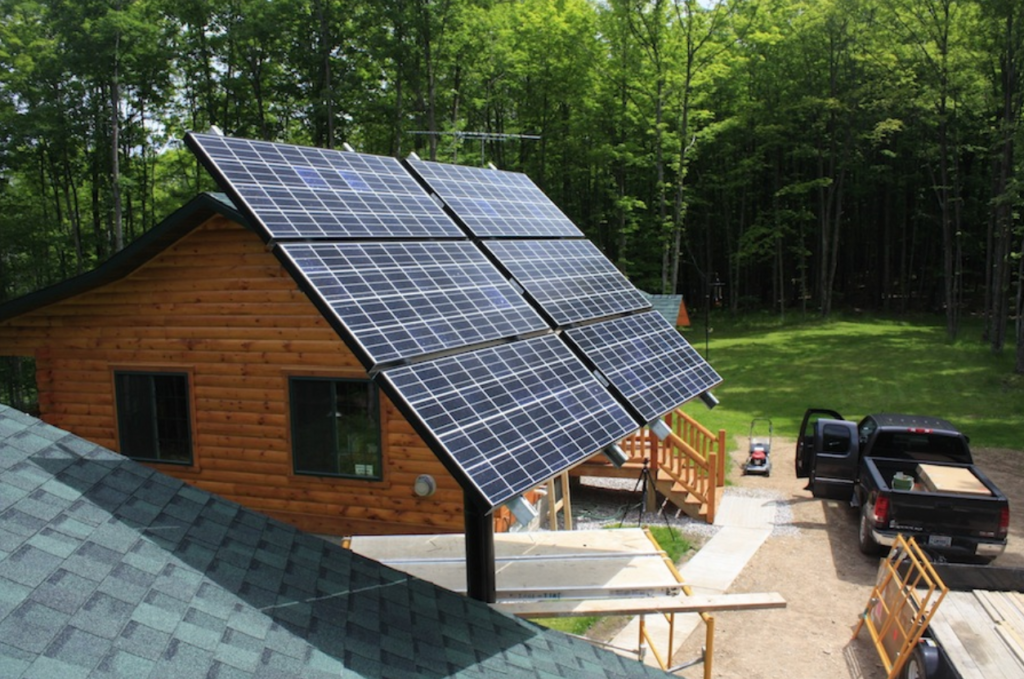
As businesses strive to adopt more sustainable practices, commercial energy storage batteries play a key role in facilitating the integration of renewable energy sources such as solar and wind power. These systems can store excess energy generated during periods of high renewable production—such as a sunny afternoon or a breezy day—and use it later when renewable output is low. By storing and utilizing renewable energy in this way, companies can reduce their reliance on the grid, lower their carbon footprint, and increase energy independence. This not only supports sustainability goals but also makes it easier to manage fluctuating energy supply and demand, ensuring a more reliable and efficient energy system.
Why BMS and EMS Matter in Commercial Battery Backup
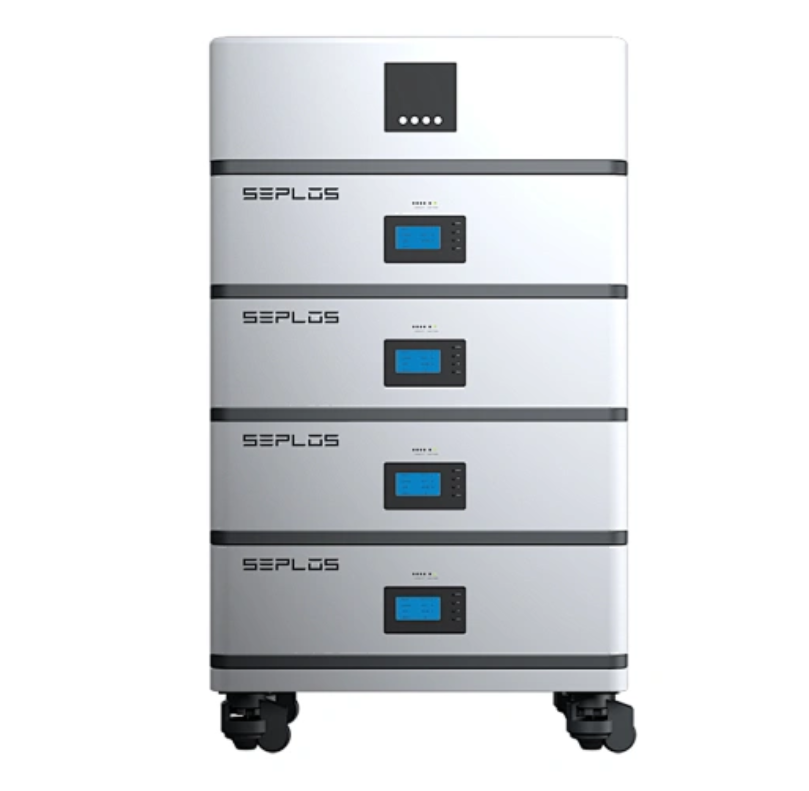
A commercial battery backup system needs more than battery capacity. The BMS monitors battery voltage, temperature, current, SOC, SOH, and protection status, while the EMS manages charging, discharging, load priority, and operating strategy. For factories and office parks, BMS and EMS integration helps improve safety, backup readiness, energy scheduling, and long-term system reliability.
FAQ
A1: Commercial battery backup is a battery-based power system that stores electricity and supplies backup power to business sites during outages, grid instability, or high-demand periods.
A2: Factories may use commercial battery backup to reduce downtime risk, support critical loads, manage peak demand, and improve power reliability during grid interruptions.
A3: Yes. Office parks can use battery storage to support lighting, security systems, communication rooms, elevators, shared facilities, and other priority loads during power interruptions.
A4: No. Commercial battery backup can also support peak shaving, load shifting, renewable energy storage, and better energy management depending on system design.
A5: Businesses should review load priority, backup time, battery capacity, BMS protection, EMS control, installation space, tariff structure, and future expansion needs.
Conclusion
Commercial battery backup can help factories and office parks improve power resilience, reduce outage risk, support peak shaving, and manage renewable energy more effectively when the system is properly sized and controlled. By reducing electricity costs through peak shaving, providing backup power during outages, and supporting renewable energy integration, these systems deliver substantial benefits that improve both the bottom line and environmental impact. As businesses continue to embrace clean energy solutions, the role of energy storage will only grow more critical in achieving long-term success.
Need Commercial Battery Backup for a Business Site?
Backup power performance depends on more than battery capacity. Load priority, backup duration, BMS protection, EMS strategy, installation space, and future expansion all affect the final system design.
Seplos can help installers, distributors, and project buyers evaluate commercial battery backup and energy storage solutions for factories, office parks, commercial buildings, and industrial sites.