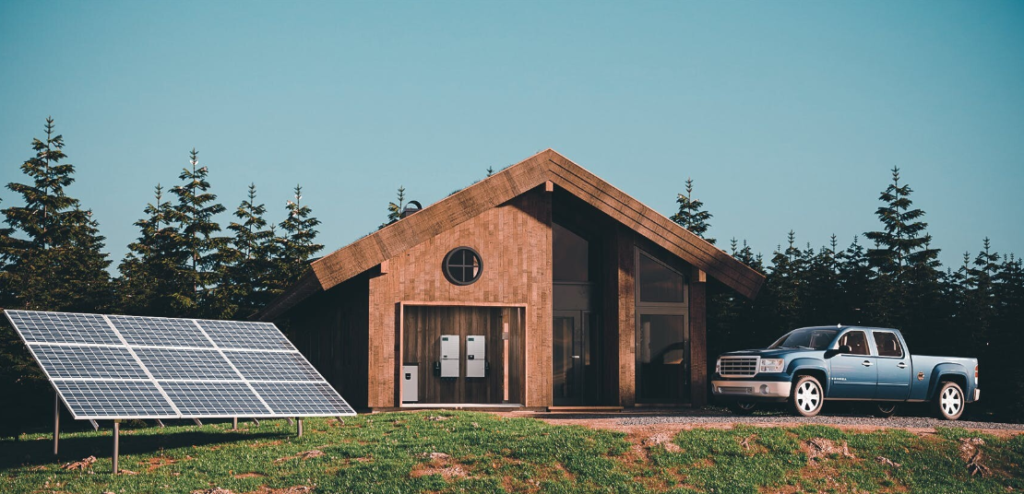
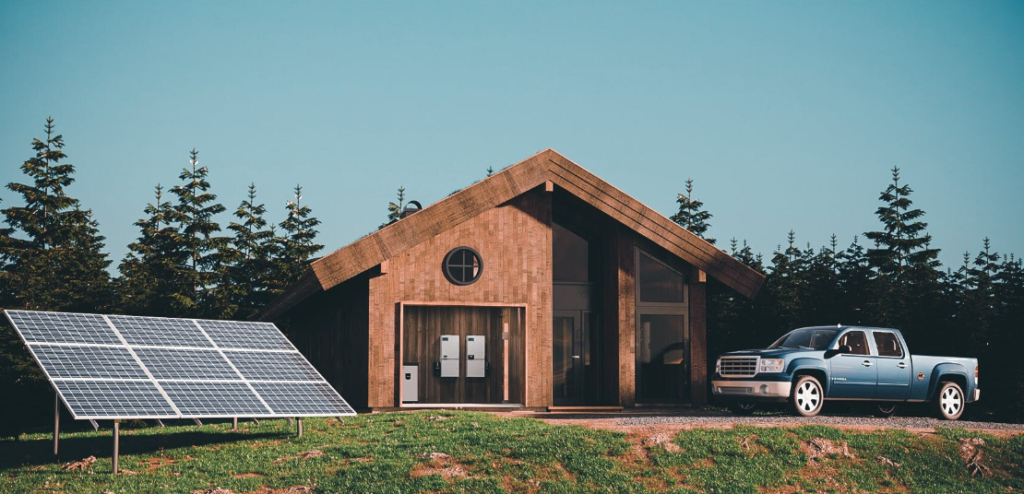
Off grid solar system cost in 2025 depends on more than solar panel prices. A complete off-grid setup usually includes solar panels, an inverter, battery storage, mounting hardware, wiring, installation, and sometimes backup power. This guide breaks down the major cost factors so homeowners, installers, and small businesses can plan a reliable off-grid energy system.
How Much Does an Off Grid Solar System Cost in 2025?
Installing an off-the-grid solar panel system in 2025 typically ranges between $25,000 and $45,000 before any incentives. The final cost depends on factors like the size of the system, the condition of your roof, and the type of solar panels selected. Larger homes or properties with higher energy needs may require a bigger solar system, which can push costs toward the higher end of the spectrum.
In some markets, solar incentives, tax credits, or local rebates may reduce upfront cost. Because incentive rules change by country, region, and project type, buyers should confirm the latest policy before calculating final system cost. By applying these incentives, homeowners can expect to save thousands of dollars on their off-the-grid solar installation. Local rebates and tax benefits may also be available, further reducing the overall price.
Off Grid Solar System Cost Breakdown: Panels, Inverter and Battery
To understand the full cost of an off-the-grid solar panel system, it’s essential to break down the components. The key equipment you’ll need includes solar panels, inverters, and battery storage.
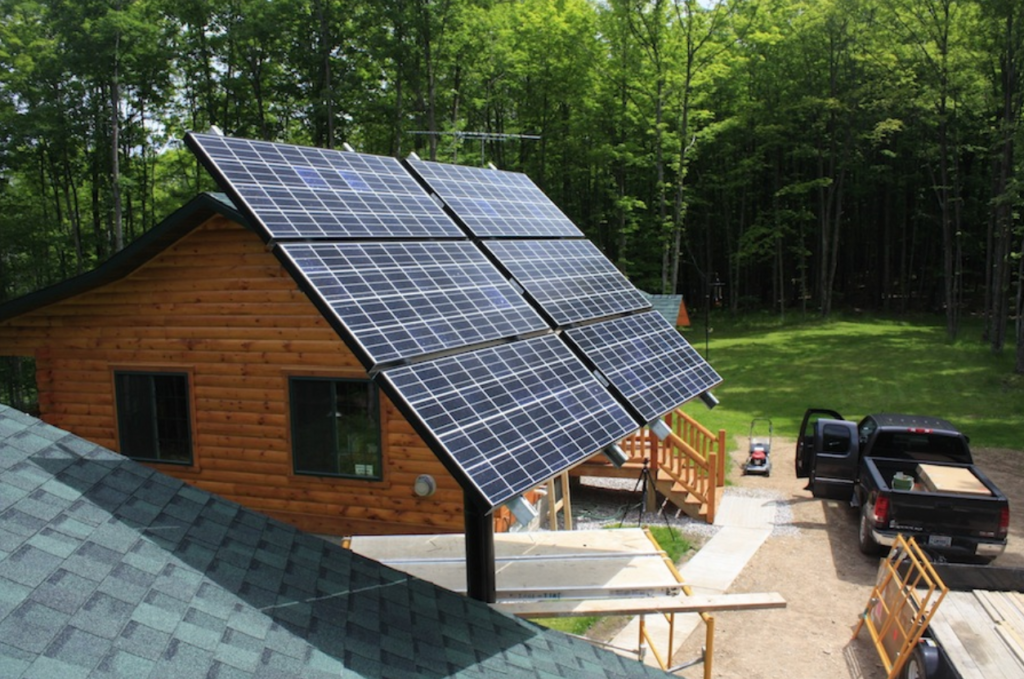
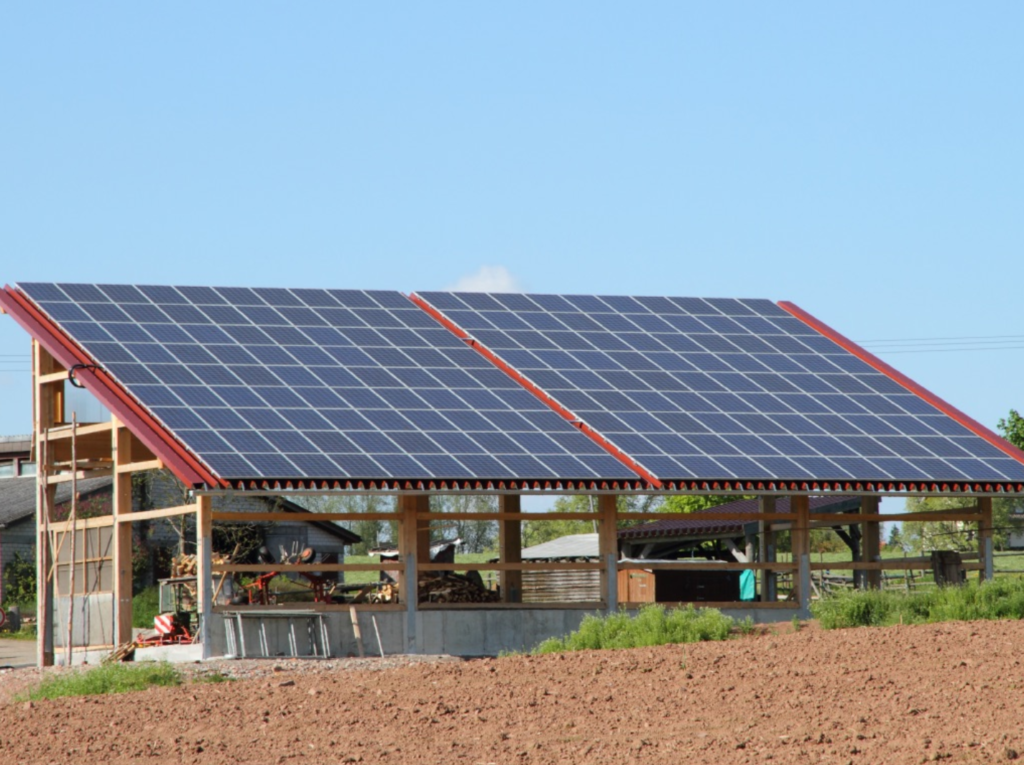
– Solar Panels: The price for solar panels in 2025 ranges from $2 to $3 per watt, depending on the brand and efficiency. For a typical 6 kW system, this can add up to approximately $15,000 just for the panels.
– Inverters: Inverters are necessary for converting the solar energy generated into usable electricity for your home. Expect to pay between $1,000 and $2,500 for a quality inverter. The choice of inverter—whether string inverters or microinverters—affects both performance and cost.
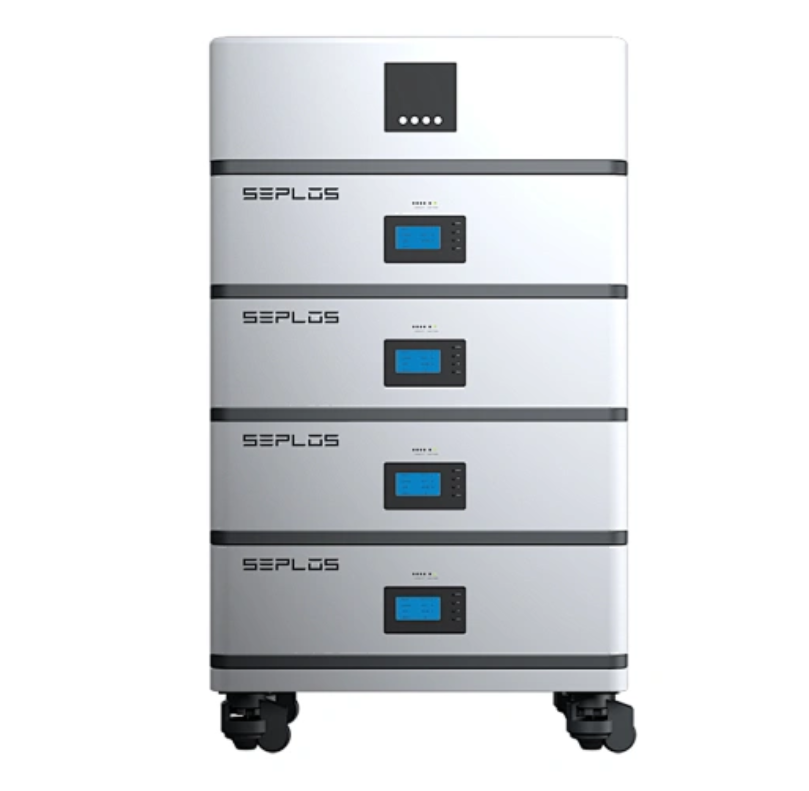
– Battery Storage: Off-the-grid solar systems require battery storage to store the energy generated during sunny days for use when the sun isn’t shining. Battery prices vary widely, with costs ranging from $3,000 to $20,000, depending on the capacity needed to power your entire home. This is often the most significant investment for off-the-grid installations.
| Cost Item | What It Includes | Why It Matters |
|---|---|---|
| Solar panels | PV modules and mounting hardware | Determines power generation capacity |
| Inverter | Converts DC to AC power | Must match load, battery and system design |
| Battery storage | Stores energy for night and cloudy days | Often the largest cost in off-grid systems |
| Installation | Labor, wiring, setup and inspection | Affects safety and long-term reliability |
| Backup power | Generator or extra battery capacity | Improves resilience during low-sun periods |
DIY vs Professional Installation Cost for Off Grid Solar Systems
The cost of installation for off-the-grid solar panels can vary significantly based on whether you choose to install the system yourself or hire a professional installer. DIY installation can save thousands of dollars in labor costs, but it comes with risks. Without the proper expertise, there may be a higher chance of making errors that could lead to inefficient performance or costly repairs in the future.
Professional installers, on the other hand, ensure that the system is properly set up, meets local building codes, and functions at maximum efficiency. While this option is more expensive, usually ranging from $3,000 to $10,000, it provides peace of mind and guarantees proper operation, especially for off-the-grid systems that rely heavily on battery storage.
Why Battery Storage Is a Major Cost in Off Grid Solar Systems
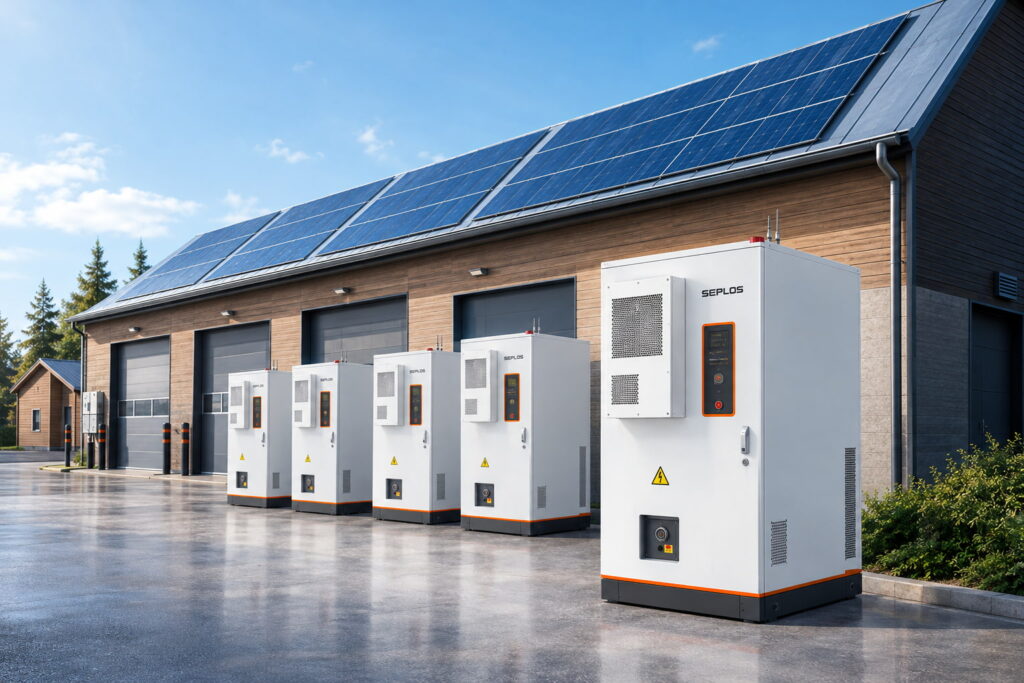
Battery storage is often one of the largest cost factors in an off grid solar system because it determines how much energy can be used at night, during cloudy weather, or during outages. Buyers should compare usable capacity, battery chemistry, BMS protection, cycle life, inverter compatibility, and expansion options instead of looking only at the upfront battery price.
Conclusion
In 2025, the cost of installing off-the-grid solar panels can vary widely based on system size, equipment choices, and installation methods. However, with incentives, careful planning, and the right choice of components, this investment can provide significant long-term savings and energy independence. Whether you opt for a DIY approach or hire a professional installer, understanding the full cost breakdown will help you make informed decisions about your off-the-grid solar panel installation.
FAQ
Off grid solar system cost depends on system size, solar panel capacity, inverter type, battery storage capacity, installation method, location, and backup power needs.
Off-grid systems usually require battery storage, charge control, backup design, and larger system capacity to provide power when solar production is low.
Battery storage is often one of the largest cost items because it determines backup duration, usable energy capacity, system reliability, and expansion potential.
DIY installation may reduce labor cost, but it can increase safety, wiring, code compliance, and performance risks. Professional installation is often safer for complete off-grid systems.
A complete estimate should include solar panels, inverter, battery storage, mounting, wiring, protection devices, installation labor, commissioning, maintenance, and possible backup power.