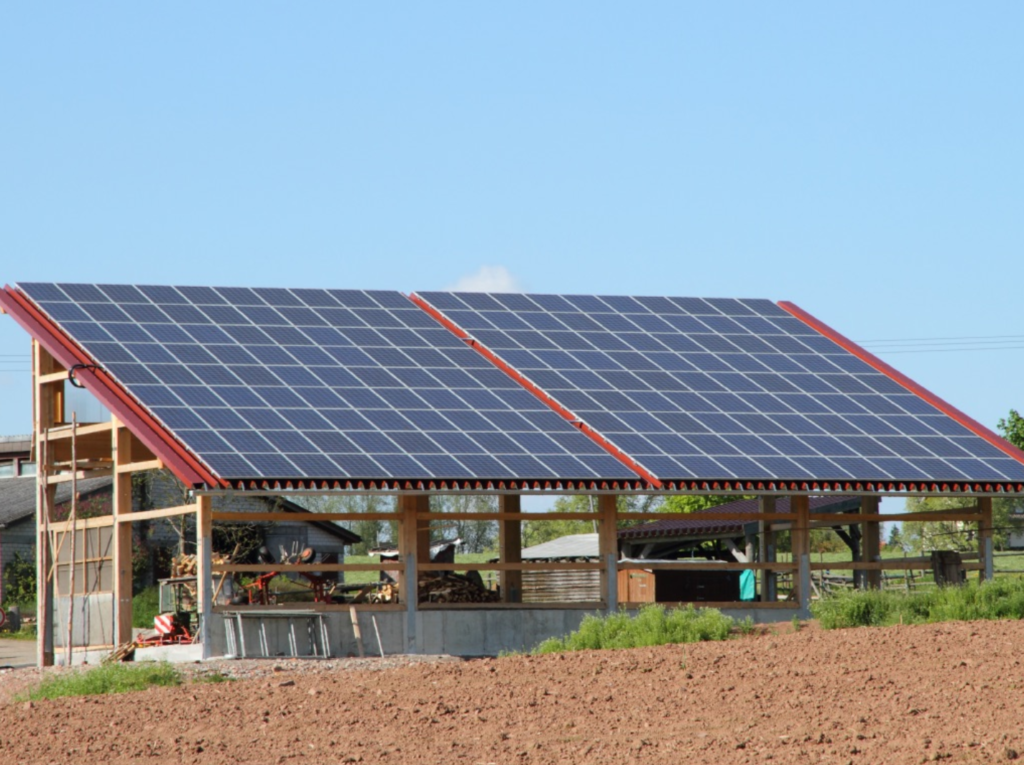
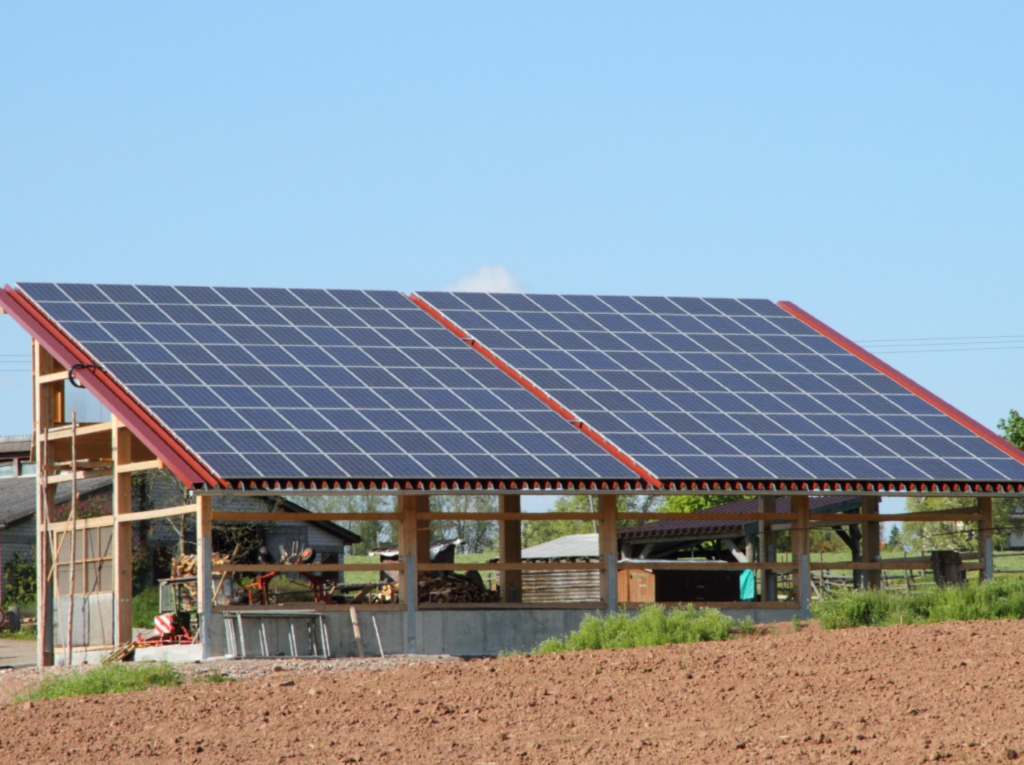
To size an off grid solar system correctly, you need to calculate daily energy use, peak load, local peak sun hours, battery storage capacity, and seasonal changes in sunlight. For remote homes, cabins, farms, or small business sites, proper sizing helps keep the system reliable during winter, cloudy weather, and high-consumption months.
Off Grid Solar System Sizing Steps
| Step | What to Calculate | Why It Matters |
|---|---|---|
| 1 | Daily energy use in kWh | Defines how much energy the system must produce |
| 2 | Peak power demand | Ensures the inverter can handle startup and running loads |
| 3 | Lowest seasonal peak sun hours | Helps size the solar array for winter or low-sun months |
| 4 | Battery storage capacity | Keeps power available at night or during cloudy weather |
| 5 | Backup power need | Improves reliability during extended low-sun periods |
Basic Formula for Off Grid Solar Sizing
A simple starting point is:
Solar array size = Daily energy use ÷ Lowest peak sun hours ÷ System efficiency
For example, if a site uses 20kWh per day, has 4 peak sun hours in winter, and assumes 80% system efficiency, the solar array should be around 6.25kW before adding extra design margin.
Calculate Daily Energy Use for Off Grid Solar Sizing
Before you can accurately size your off-the-grid solar panel system, it’s important to understand your energy usage patterns throughout the year. Start by reviewing your past electricity bills to determine how much energy you consume each month. Identify peak energy months—typically when heating is used in winter or cooling in summer. For example, summer might see a spike in energy usage due to air conditioning, while winter may increase consumption because of heating systems.
To size your off-the-grid solar system properly, calculate your peak daily energy usage. This will give you a baseline for how much power your system will need to generate during your highest consumption periods. Knowing your maximum energy demand ensures that you won’t fall short during times of peak usage, especially when sunlight is scarce.
Use the Lowest Seasonal Peak Sun Hours for System Sizing
Another crucial factor in sizing your off-the-grid solar panel system is the variability of sunlight throughout the year. Every location experiences fluctuations in sun exposure, with shorter days and lower sunlight intensity during the winter months. To compensate for these changes, it’s vital to research your location’s average daily peak sun hours.
Identify the months that provide the least sunlight and focus on these for your calculations. The lowest average peak sun hours during the year, typically in the winter, should guide the sizing of your system. To ensure sufficient power generation, you may need to increase the size of your solar array to meet energy demands when the sun is less abundant.
Size Battery Storage and Backup Power for Off Grid Reliability
Off-the-grid solar panels depend on energy storage to maintain a consistent power supply when the sun isn’t shining. Make sure your battery bank is large enough to store energy for periods of low sunlight, especially during extended cloudy weather or shorter daylight hours. Without sufficient energy storage, your system may run out of power during winter or other times of low solar production.
To further enhance reliability, consider adding extra storage capacity or a backup generator. A backup generator can provide power during prolonged periods of bad weather, ensuring that your off-the-grid solar system remains operational even in adverse conditions. This added layer of backup will give you peace of mind, knowing you won’t be left without power during challenging seasonal changes.
How to Size Battery Storage for an Off Grid Solar System
Battery storage should be sized based on daily energy use, required backup days, depth of discharge, battery chemistry, and winter operating conditions. For LiFePO4 battery systems, installers should also consider BMS protection, charge and discharge limits, inverter compatibility, and temperature conditions.
Conclusion
Sizing your off-the-grid solar panel system to account for seasonal changes is a key factor in ensuring consistent, year-round energy production. By assessing your energy needs, accounting for seasonal sunlight variations, and planning for adequate energy storage, you can make sure your solar system remains reliable and efficient through every season. Consider these factors when designing your system to optimize its performance and meet the demands of your business or home.
FAQ
Start by calculating daily energy use, peak power demand, local peak sun hours, battery storage needs, system losses, and backup requirements for low-sun seasons.
Seasonal changes affect sunlight hours, solar panel output, and energy demand. Winter often has shorter daylight hours and higher heating loads, so the system should be sized for the lowest solar production period.
The number of panels depends on daily energy use, panel wattage, peak sun hours, system efficiency, and desired backup margin.
Battery storage depends on daily consumption, required backup days, usable battery capacity, depth of discharge, battery chemistry, and inverter compatibility.
A backup generator may be useful for remote sites or winter conditions where extended cloudy weather can reduce solar production for several days.