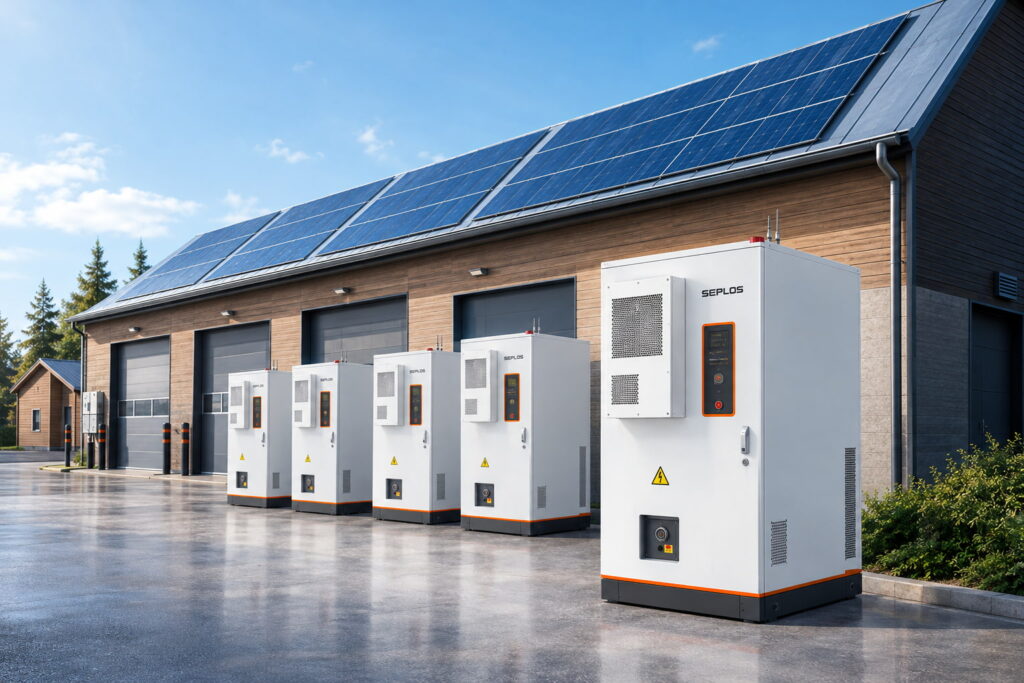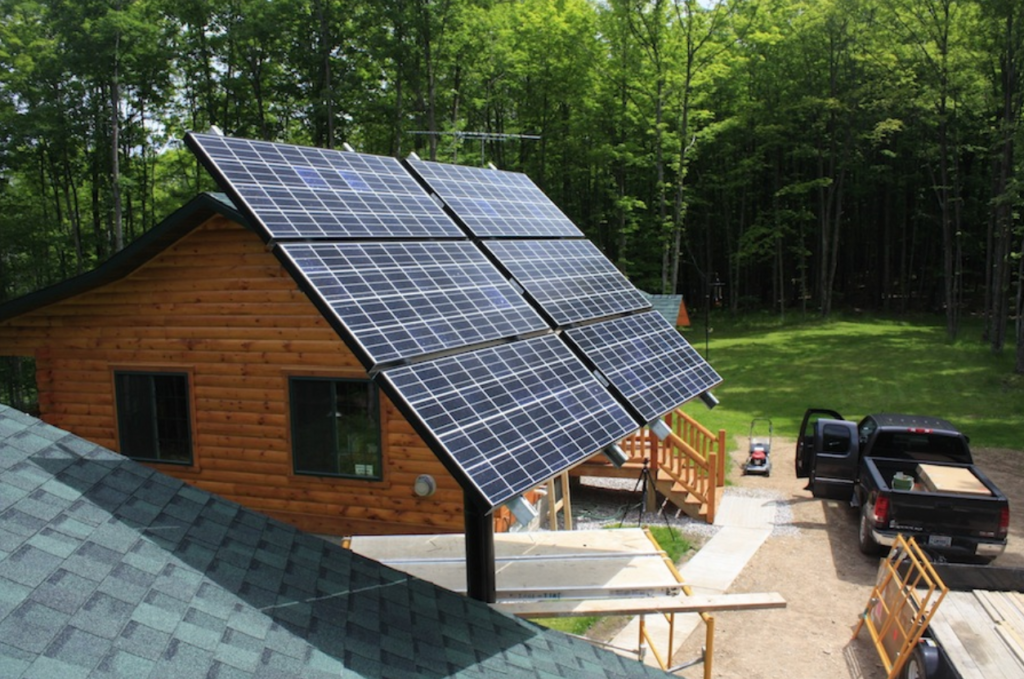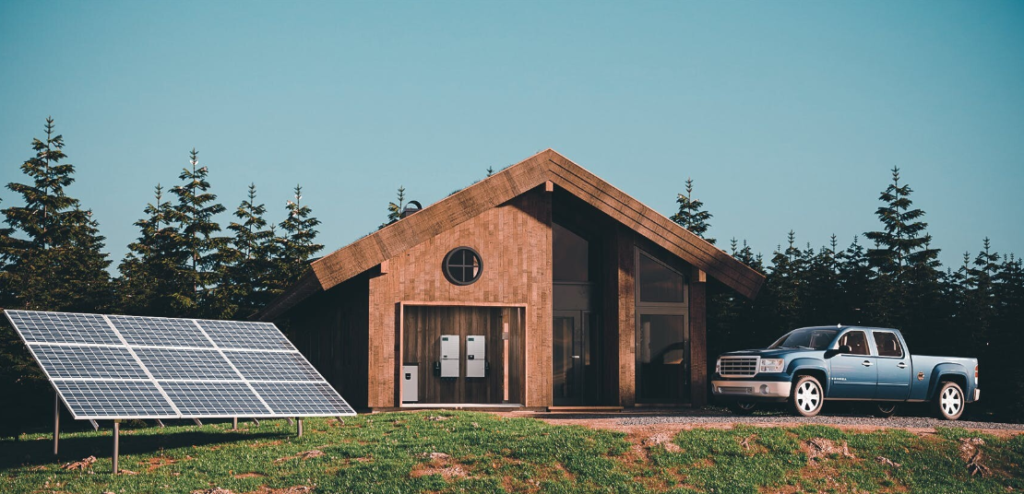
Channeling renewable energy into reliable power requires a sophisticated intermediary—the battery energy storage system (BESS). These systems capture surplus electricity (typically from solar panels or wind turbines), store it chemically, and discharge it on demand. At its core, every BESS operates through four critical phases: charging (AC/DC conversion), storage (energy retention in battery cells), discharge (DC/AC inversion), and management (real-time performance optimization via software). For homeowners, this transforms intermittent renewables into 24/7 power security.
This approach provides greater battery energy storage security by ensuring renewable power remains available during outages and periods of high demand.

The Technology Behind the Transition
A battery energy storage system relies on interconnected components working in harmony:
Battery Cells (LiFePO₄ Dominance):
Lithium iron phosphate (LiFePO₄) cells, like those in Seplos systems, store energy through ion movement between anodes and cathodes. Their thermal stability prevents thermal runaway—critical for home safety.
Battery Management System (BMS):
The “brain” of the operation. A high-voltage BMS monitors cell voltage, temperature, and state of charge. Seplos’s systems use AI-driven BMS to balance cells, prevent overcharging, and extend lifespan to 6,000+ cycles.
Power Conversion System (PCS):
This bidirectional inverter converts DC battery power to AC for home appliances, and AC solar power to DC for storage. Advanced models synchronize with grid signals for peak-shaving.
Safety & Control: Non-Negotiables for Home Energy Storage
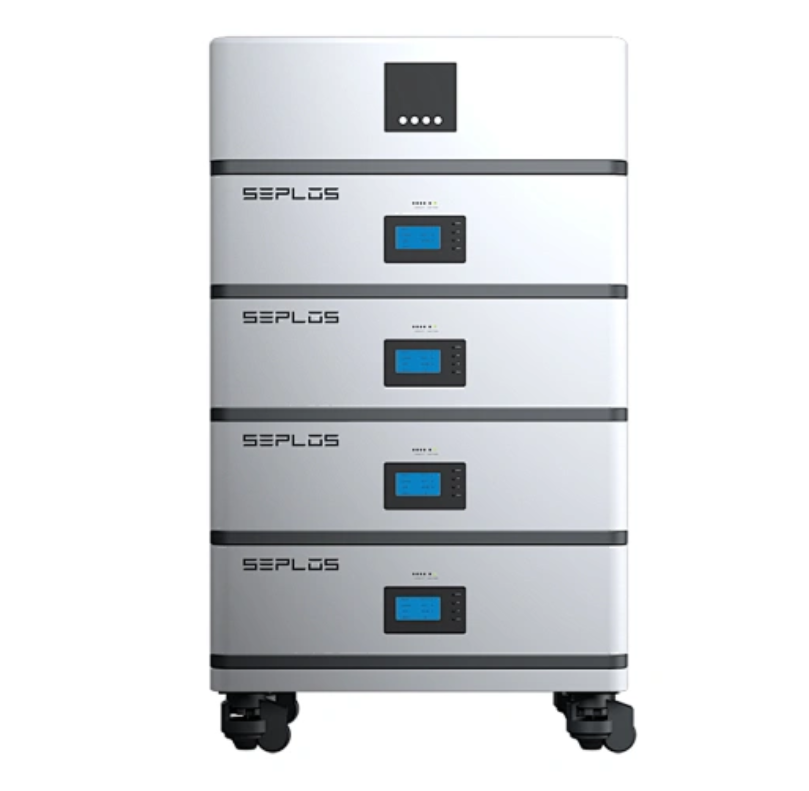
Residential systems demand fail-safes beyond chemistry. Modern solutions like the Seplos Mason 560 embed multiple protection layers:
Thermal Regulation:
Integrated air cooling fans maintain optimal 25°C–35°C operating temperatures. Heat dissipation prevents efficiency loss during sustained loads—ensuring 98% round-trip efficiency.
Intuitive Oversight:
Colorful touchscreens provide real-time data visualization (state of charge, input/output power, errors). Users adjust settings or schedule discharges during off-peak hours instantly.
Emergency Response:
Aerosol fire suppression systems activate within milliseconds if abnormal heat is detected. This passive safety net contains thermal events before they escalate.
Accessibility:
Heavy-duty casters enable effortless repositioning for maintenance or space optimization. Combined with modular designs, this reduces service downtime by 70%.
Conclusion: The Silent Guardian of Modern Energy Independence
A battery energy storage system transcends backup power—it’s an intelligent energy hub. By improving battery energy storage security, modern BESS solutions help households achieve more reliable and independent energy management.
By storing surplus renewables, it slashes grid dependence during peak tariffs while providing blackout resilience. Systems like Seplos Mason 560 exemplify this evolution, merging industrial-grade safety (fire suppression, LiFePO₄ cells) with user-centric design (touchscreen control, mobility). For over 7 years, Seplos has pioneered such innovations, supplying 50,000+ systems globally from its 9,800 m² manufacturing base. Their EU-stocked 48V BESS solutions—certified under IEC 62619—continue empowering homeowners to harness energy autonomy securely.
FAQs About Battery Energy Storage System
A battery energy storage system stores electricity from renewable sources such as solar or wind energy and releases power when needed through intelligent energy management.
Yes. A BESS can store excess solar energy generated during the day and provide electricity during nighttime, cloudy periods, or power outages.
LiFePO₄ batteries offer excellent thermal stability, long cycle life, and reliable safety performance, making them widely used in modern battery energy storage systems.
A BESS improves energy security by providing backup power, reducing dependence on the grid, and ensuring renewable energy is available when demand increases.
Battery energy storage systems can support residential homes, commercial buildings, renewable energy projects, and off-grid applications requiring reliable power.