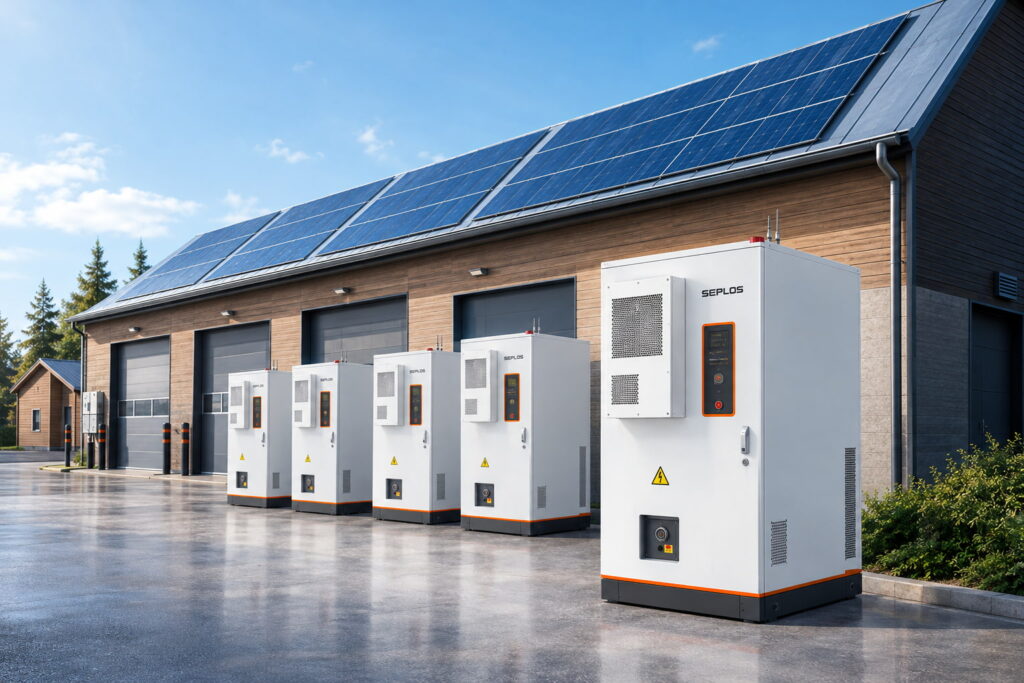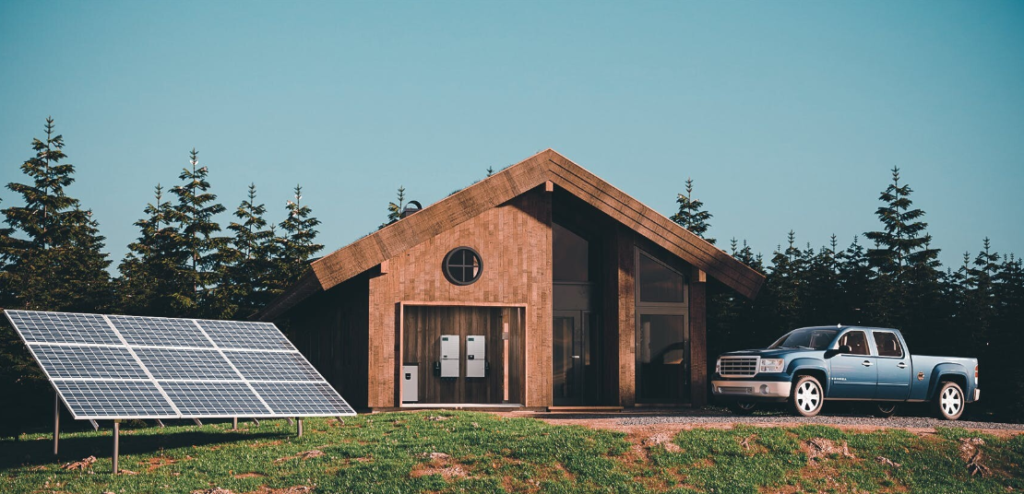
Building an off-grid solar panel kit is a significant step towards achieving energy independence and sustainability. Seplos is here to guide you through the essential components and steps required to create a reliable solar power system tailored to your needs. This kit will allow you to harness solar energy effectively, reducing your electricity bills and providing a consistent power source.
A practical off-grid solar system design should match the solar array, battery capacity, inverter output, and expected daily electricity consumption.

Understanding the Requirements
To build an effective off-grid solar panel kit, several key components are necessary. Each plays a vital role in capturing sunlight, converting it into electricity, and storing that energy for future use. Here’s a breakdown of what you’ll need:
When determining what is needed for an off-grid solar system, consider both the equipment required to generate electricity and the components needed to store, convert, protect, and monitor that energy.
Core Power Generation and Storage Components
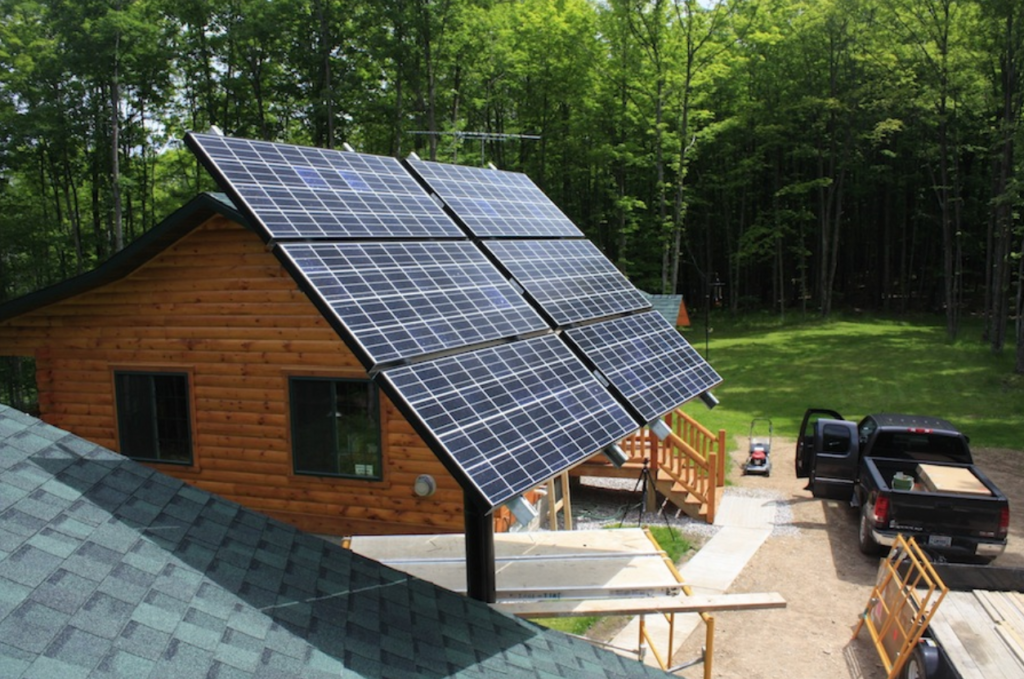
Solar Panels: These are the heart of your system, responsible for generating electricity from sunlight. Selecting high-quality off-grid solar panels ensures durability and optimal performance. Seplos offers reliable solar panels designed to capture sunlight efficiently, even in less-than-ideal weather conditions.
Charge Controller: This device manages the flow of electricity from the solar panels to the battery bank. It prevents overcharging, which can damage batteries, and ensures that energy is used efficiently. A good charge controller is essential for maintaining battery health and maximizing the lifespan of your system.
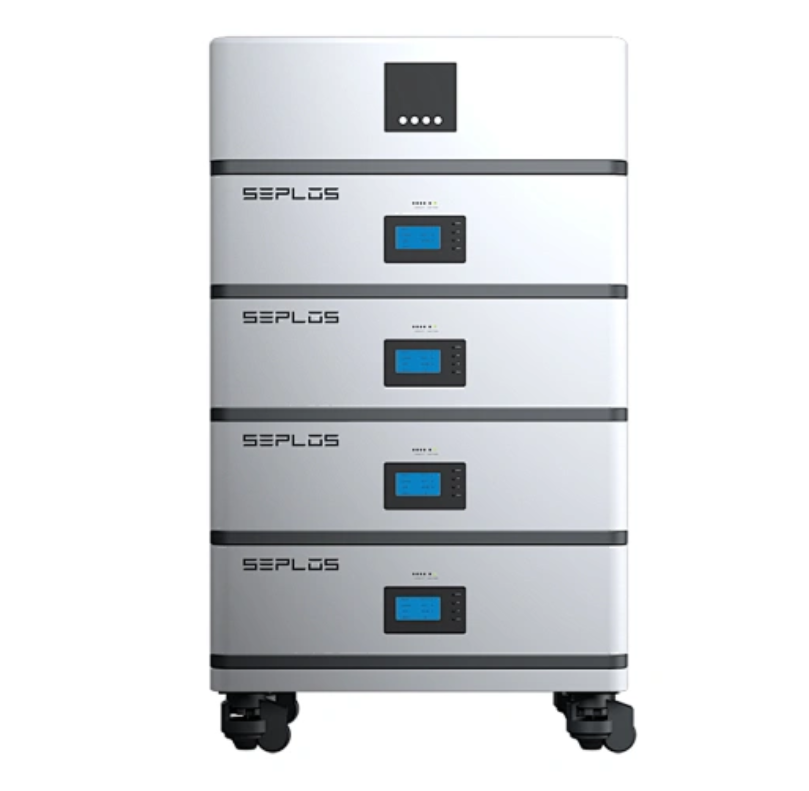
Batteries: Energy storage is crucial for off-grid living. Batteries store the electricity generated during sunny days for use at night or during cloudy periods. Choosing the right type of battery, such as lithium-ion or lead-acid, will depend on your energy needs and budget. Seplos provides advanced battery solutions that integrate seamlessly with solar systems.
Inverter: An inverter converts the direct current (DC) electricity stored in the batteries into alternating current (AC) electricity, which is used by most household appliances. Selecting a reliable inverter is key to ensuring that your system can power your devices efficiently.
Installation and Backup Equipment
Mounting Equipment: Proper mounting equipment is necessary to securely install your solar panels on rooftops or on the ground. Ensuring that the panels are positioned at the right angle will maximize sunlight exposure, enhancing energy production.
Backup Generator (Optional): In areas with extended periods of low sunlight, a backup generator can provide additional energy. This ensures that you have a reliable power source even during unfavorable weather conditions.
System Monitoring and Energy Management
Monitoring System: A monitoring system tracks energy production and usage, allowing you to optimize your solar power system’s efficiency. Many modern systems come with smart technology that provides real-time data, helping you manage your energy consumption effectively.
Steps to Build Your Off-Grid Solar Panel Kit
Step 1: Assess Energy Needs
Begin by calculating your daily energy consumption. Identify the appliances and devices you intend to power and their wattage. This information will guide you in selecting the right size and number of solar panels and batteries for your kit.
Correct sizing is essential because every solar panel off-grid system must generate enough daily energy while maintaining sufficient battery capacity for nights and low-sunlight periods.
Step 2: Gather Components
Once you understand your energy needs, gather all the necessary components. Seplos offers complete off-grid solar panel kits that include everything required for installation, simplifying the process for DIY enthusiasts.
Step 3: Install Solar Panels
Position your solar panels in a location that receives maximum sunlight, ideally facing south. Secure them using the mounting equipment, ensuring they are angled appropriately for optimal energy capture.
Step 4: Connect the System
Connect the solar panels to the charge controller, followed by the batteries. Then, connect the inverter to the battery bank. Ensure all wiring is done according to safety guidelines to prevent electrical hazards.
Step 5: Test the System
After installation, test the entire system to ensure everything functions correctly. Check connections and monitor energy production to confirm that your off-grid solar panel kit is working as intended.
Conclusion
Building an off the grid solar panel kit empowers individuals to take control of their energy needs while promoting sustainability. By selecting the right components and following a structured installation process, anyone can create a reliable solar power system. Seplos is dedicated to providing high-quality off-grid solar solutions, making it easier for users to harness the power of the sun. Founded in 2017, Seplos has become a leading manufacturer of battery energy storage systems, recognized for its advanced technology and dependable service. Trust Seplos to support your journey toward energy independence and a sustainable future.
FAQs About Building an Off-Grid Solar Panel Kit
A typical off-grid solar system requires solar panels, mounting equipment, a charge controller, battery storage, an inverter, wiring, circuit protection, and a monitoring system. A backup generator may also be useful in areas with limited sunlight.
Calculate the daily energy consumption of all appliances, account for inverter and system losses, and then size the solar array and battery bank according to local sunlight conditions and the required backup duration.
LiFePO4 batteries are commonly used because they offer long cycle life, good usable capacity, stable performance, and integrated protection when paired with a suitable battery management system.
A small system may be assembled by an experienced DIY user, but battery wiring, circuit protection, grounding, inverter installation, and local electrical requirements should be checked by a qualified professional.
The number depends on daily electricity consumption, panel wattage, available peak-sun hours, system losses, seasonal conditions, and the amount of battery energy that must be replenished each day.
Not always. However, a generator can provide additional reliability during extended cloudy weather, unusually high electricity consumption, maintenance periods, or insufficient solar production.