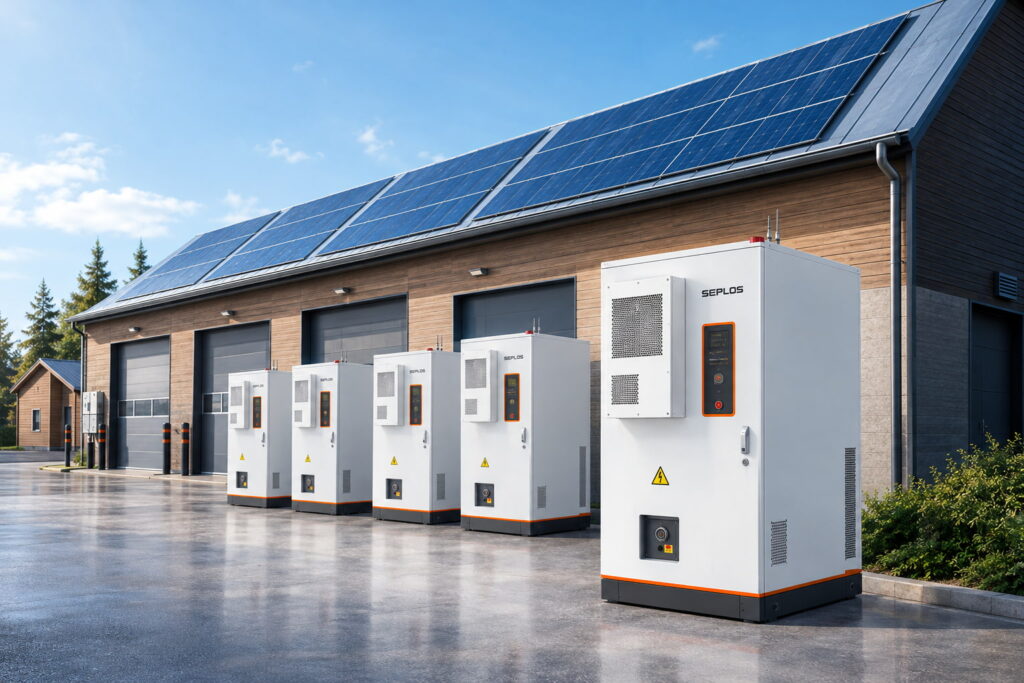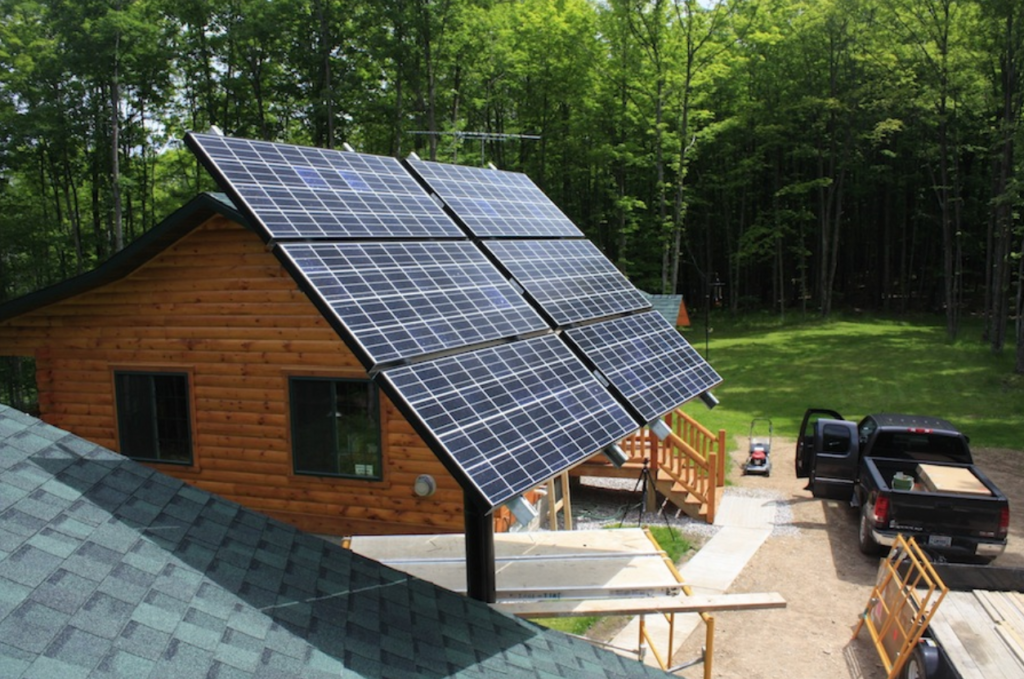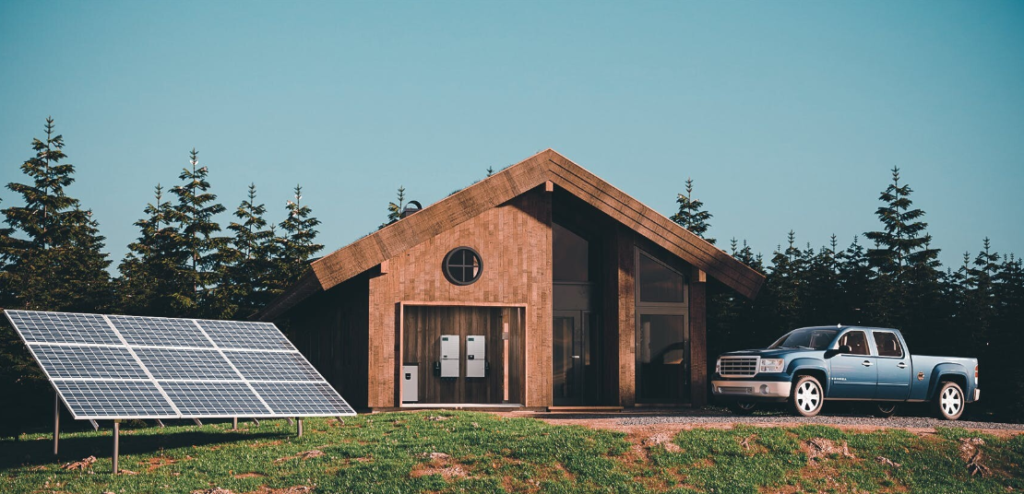
With the increasing adoption of solar energy, homeowners are looking for effective ways to store solar energy for later use. Residential solar energy storage systems play a crucial role in optimizing the benefits of solar power by allowing individuals to harness excess energy generated during the day. This article explores various methods to store solar energy at home, helping you maximize your investment in solar technology.
Quick Answer
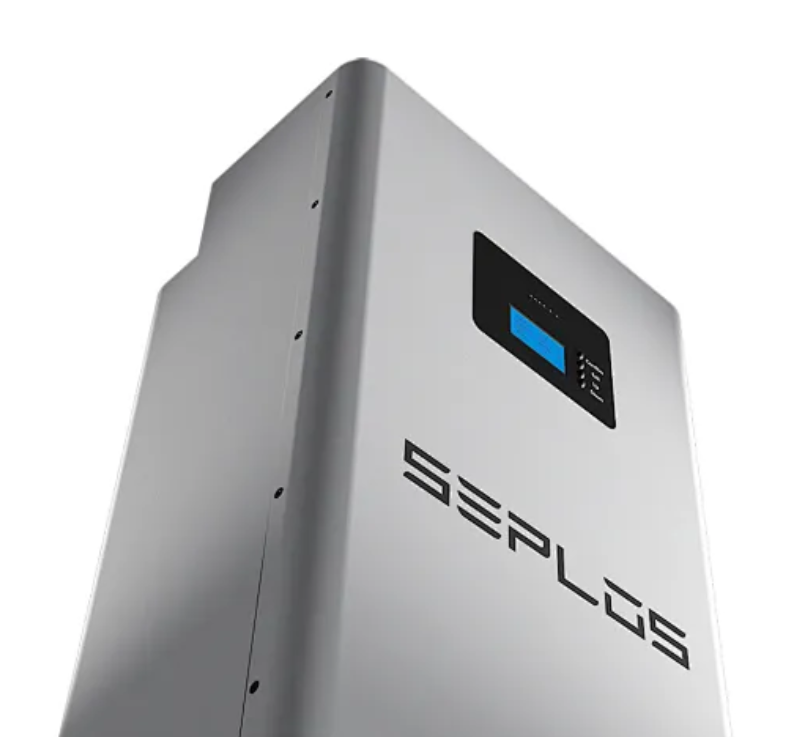
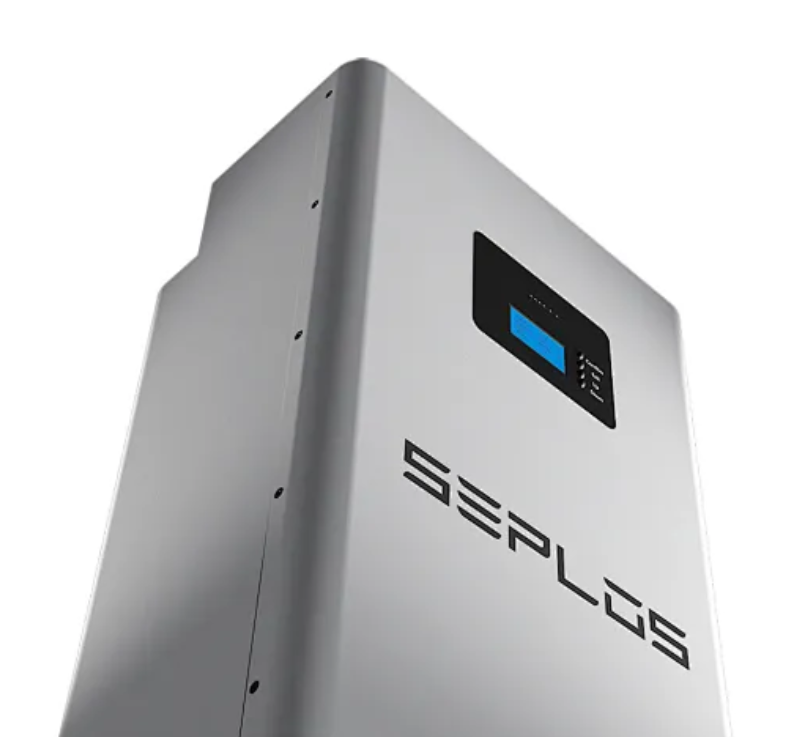
The most practical way to store solar energy at home is with a lithium LiFePO4 battery storage system. It stores excess electricity generated during the day for use at night, during peak electricity pricing, or during power outages. Compared with lead-acid batteries, LiFePO4 batteries offer higher efficiency, longer lifespan, and lower maintenance.
Understanding Residential Solar Energy Storage Systems
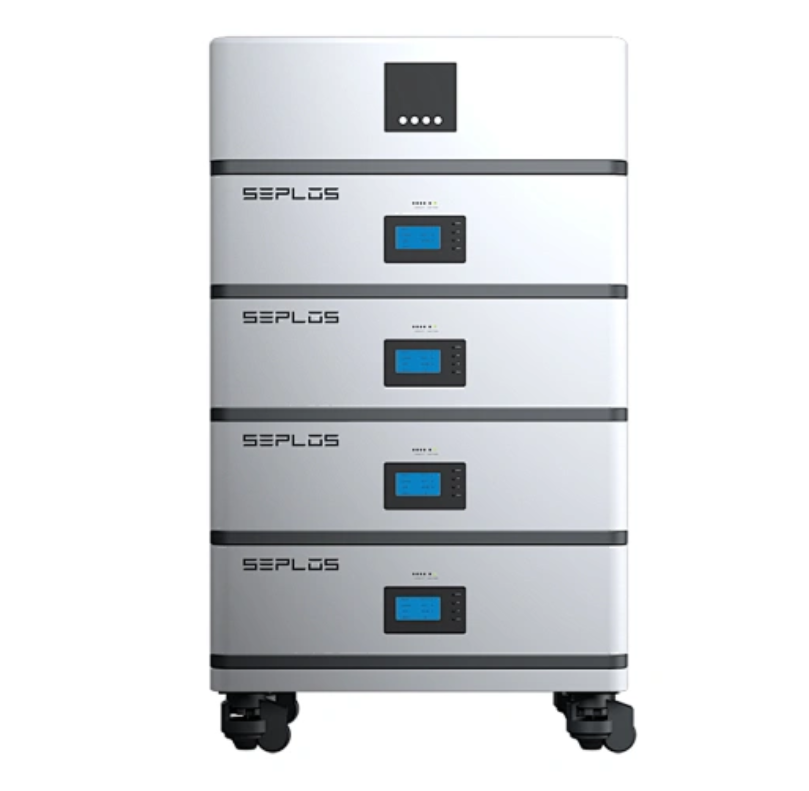
Residential solar energy storage systems are designed to capture and store excess energy produced by solar panels. These systems typically consist of batteries that hold the energy until it is needed, making them an essential component for homeowners who want to use solar energy efficiently.
The most popular types of storage solutions include lithium-ion batteries, lead-acid batteries, and newer technologies like saltwater batteries. Each type has its unique benefits and drawbacks, so understanding how they function is key to determining the best fit for your home.
Lithium-Ion Batteries
Lithium-ion batteries have become the gold standard for residential solar energy storage systems. Known for their high energy density and efficiency, they can store substantial amounts of electricity with minimal space requirements. Additionally, lithium-ion batteries have a longer lifespan—typically ranging from 10 to 15 years—making them a solid long-term investment.
These batteries connect seamlessly with solar panel systems and can be managed through smartphone apps, allowing homeowners to monitor their energy production and consumption easily.
Lead-Acid Batteries
Lead-acid batteries have been a traditional engine for energy storage, and while they may not offer the same longevity or energy density as lithium-ion batteries, they remain a cost-effective option for many. These batteries can effectively store solar energy for homes that require a more budget-friendly solution.
Although lead-acid batteries are bulkier and often require more maintenance, they provide a viable backup option for homeowners looking for onsite energy storage. It’s essential to consider the total lifecycle costs, including replacement and maintenance, when opting for this type of battery.
Innovative Alternatives: Saltwater Batteries
An emerging alternative in the market is saltwater batteries. These systems utilize non-toxic materials, making them environmentally friendly and safe for household use. Saltwater batteries have shown promise in terms of lifespan and sustainability, although they may not yet match the performance of lithium-ion batteries.
For homeowners keen on supporting eco-friendly initiatives, investing in saltwater batteries could be an intriguing option. As technology advances, these batteries may become more efficient and widely adopted.
FAQ
Can solar energy be stored without batteries?
Yes, but only indirectly through methods such as grid export or thermal storage. For most homes, battery storage remains the most practical and flexible solution.
What is the best battery for storing solar energy?
LiFePO4 batteries are widely considered the best choice because they provide high efficiency, long cycle life, and low maintenance compared with traditional lead-acid batteries.
How much solar energy can a home battery store?
It depends on battery capacity. Residential systems typically range from 5kWh to over 30kWh, depending on household electricity consumption and backup requirements.
Can I add battery storage to an existing solar system?
Yes. Many existing solar systems can be upgraded with AC-coupled or hybrid battery storage solutions, depending on inverter compatibility.
Conclusion
Learning how to store solar energy at home is essential for maximizing the value of your solar investment. While several storage technologies are available, LiFePO4 battery systems offer the best balance of efficiency, lifespan, and long-term value for most homeowners. If you’re planning a new solar installation or upgrading an existing system, choosing a scalable battery solution today can provide reliable backup power and greater energy independence for years to come.
Need help selecting the right home battery storage system? Contact the Seplos team for expert recommendations and customized energy storage solutions.