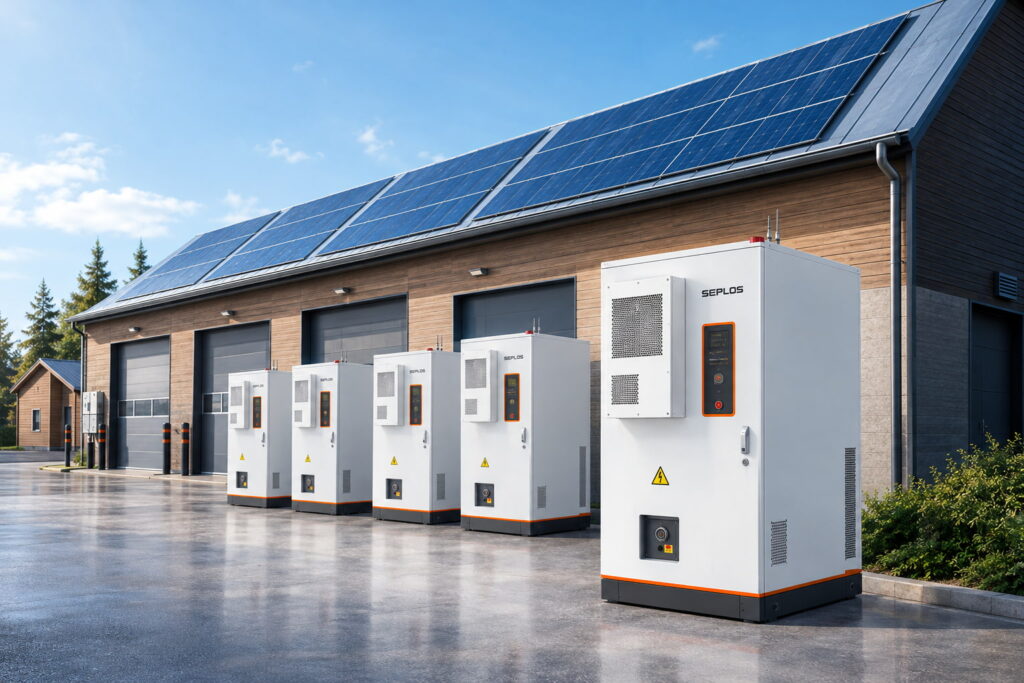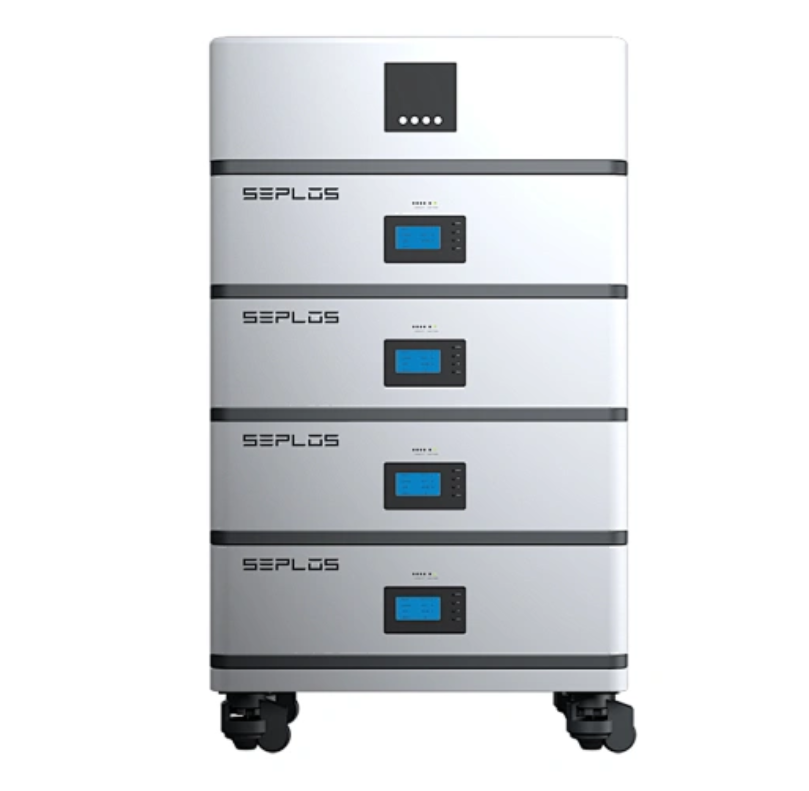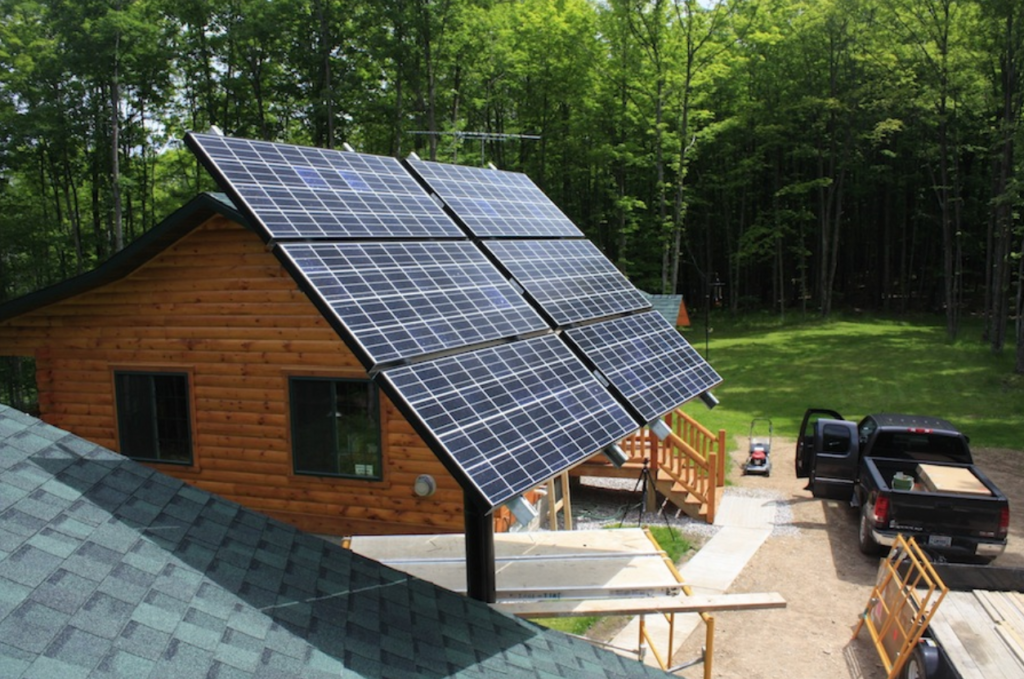
As we navigate the evolving landscape of renewable energy, optimizing our solar energy systems becomes increasingly essential. One of the most effective ways to enhance the efficiency of these systems is through the integration of solar energy battery storage. By harnessing the power of a robust solar energy storage system, we can maximize our energy independence and reduce reliance on the grid. Our focus here will be on practical strategies to optimize solar energy systems using battery storage solutions.
Battery storage performance optimization requires coordinated control of solar generation, battery charging, household demand, and inverter operation rather than evaluating each component separately.
Understanding Solar Energy Battery Storage
Solar energy battery storage systems are designed to capture excess electricity generated by solar panels during peak sunlight hours. This stored energy can then be used when solar production decreases, such as at night or during cloudy weather. By incorporating battery storage into our solar energy systems, we enable greater flexibility in managing energy consumption.
Using solar energy battery storage allows us to make the most of our renewable energy investments. It minimizes energy waste by ensuring that we can utilize the power generated by our solar panels whenever we need it. This capability not only enhances our energy independence but also significantly lowers our utility bills by reducing the amount of energy we draw from the public grid.
Self-consumption optimization of battery storage means using more locally generated solar electricity within the property instead of exporting it to the grid and buying it back later.
Choosing the Right Components for Optimal Performance
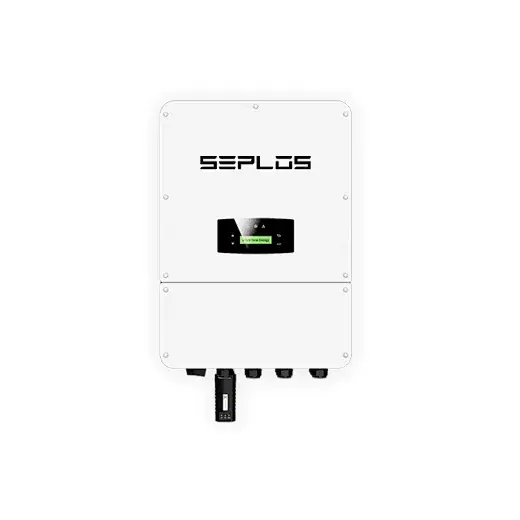
To effectively optimize our solar energy storage system, it is crucial to select the right components. One key element is the inverter, which converts the direct current (DC) produced by solar panels into alternating current (AC) needed for household use. The Seplos 3-9.6kW Split Phase Hybrid Inverter is an excellent choice for those seeking enhanced energy independence. With a power range of 3.0kW to 9.6kW, this inverter is compatible with high-voltage batteries and integrates seamlessly into existing solar setups.
Additionally, utilizing time-of-use and demand charge rate structures allows us to manage our energy more effectively. By strategically charging our solar energy battery storage during off-peak hours and discharging it during peak demand, we can further reduce our energy costs while maximizing the utility of our solar energy systems.
Effective solar and energy storage optimization should also consider weather forecasts, expected household loads, battery state of charge, electricity tariffs, and the reserve capacity required for backup power.
Regular Maintenance and Monitoring
Another essential aspect of optimizing our solar energy storage system is maintaining regular monitoring and maintenance. By keeping tabs on our system’s performance, we can identify potential issues before they become significant problems. This proactive approach ensures that our solar energy battery storage functions efficiently, maximizing our investment in renewable energy.
In conclusion, optimizing our solar energy systems with battery storage is a strategic decision that can enhance energy independence and reduce overall costs. By understanding the role of solar energy battery storage, selecting the right components like the Seplos Split Phase Hybrid Inverter, and committing to regular maintenance, we can ensure that our solar energy systems operate at peak performance. For those looking to invest in advanced solar energy storage systems, we highly recommend Seplos. With their commitment to quality and innovation, Seplos is poised to help us all transition towards a more sustainable energy future.
FAQs About Solar Energy and Battery Storage Optimization
Battery storage performance optimization coordinates solar generation, battery charging and discharging, household demand, inverter operation, and electricity tariffs to improve system efficiency and reduce energy costs.
The battery stores excess solar electricity generated during the day and supplies it later when household demand is higher or solar production is unavailable.
A solar battery normally charges when excess solar power is available or electricity rates are low. It discharges during periods of high demand, high tariffs, low solar generation, or grid outages.
Actual efficiency depends on sunlight, panel orientation, shading, inverter efficiency, battery round-trip efficiency, temperature, household consumption, and system control settings. A 9.6kW rating describes peak solar output rather than guaranteed daily production.
Monitor solar generation, household consumption, battery state of charge, charge and discharge power, cell temperature, inverter status, grid imports and exports, alarms, and historical performance data.