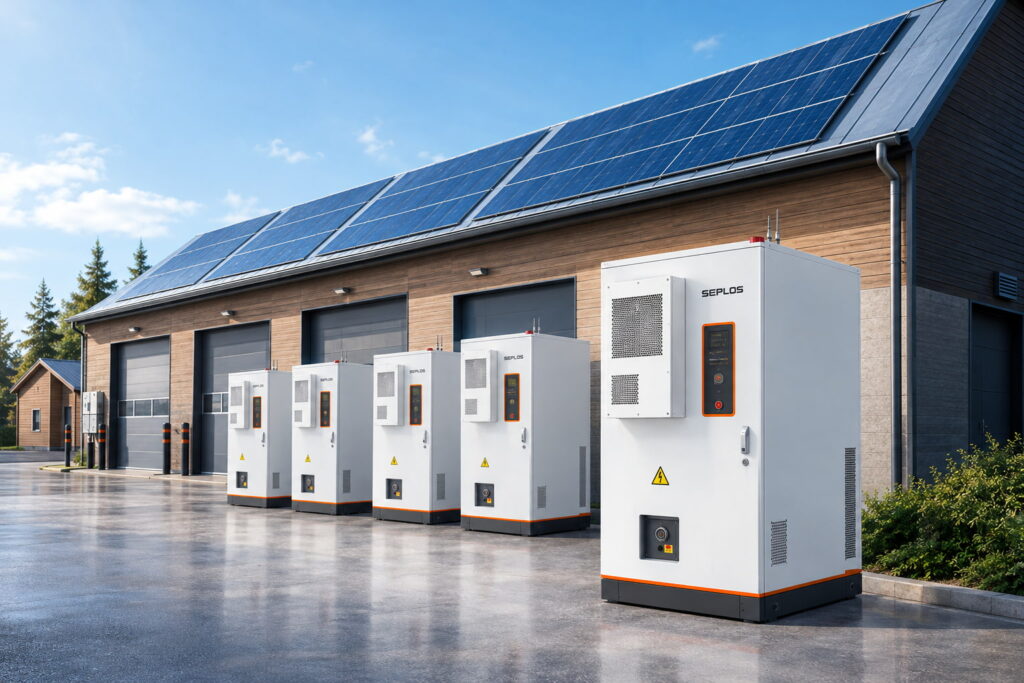
Energy storage needs are changing faster than ever. Many homeowners install a battery system today, only to discover a few years later that their electricity demand has increased due to EV charging, heat pumps, or longer backup requirements.
The good news is that modern modular battery storage systems can often be expanded without replacing the entire system. However, the expansion process depends on battery compatibility, inverter capacity, BMS communication, and system design.
This guide explains how to expand home battery storage, what technical factors you need to check, and how choosing a scalable energy storage system from the beginning can reduce future upgrade costs.
Quick Answer: Can Energy Storage Systems Be Expanded?
Yes, most modern modular energy storage systems can be expanded by adding compatible battery modules. However, successful expansion depends on several factors, including inverter capacity, BMS communication compatibility, battery model matching, and the original system design. Choosing a scalable battery storage system from the beginning makes future upgrades easier and more cost-effective.
Why More Homeowners Are Expanding Their Battery Storage
In 2026, expanding an energy storage system is no longer a niche request; it’s a mainstream trend. But why is this happening now?
- The Rise of EVs and Heat Pumps: The electrification of homes is accelerating. Charging an EV overnight can easily consume 20kWh to 50kWh. A standard 10kWh battery simply cannot handle this load. If you want to charge your car using free solar power, you need more battery storage for EV charging at home.
- Dynamic Electricity Pricing (Time-of-Use Arbitrage): Across Europe, dynamic tariffs (like Octopus Flux in the UK or Tibber in Germany) are becoming the norm. The price gap between charging at night (or during negative pricing hours) and selling/using power during peak evening hours is huge. A larger battery allows you to store more cheap energy and maximize your daily arbitrage profits.
- Increased Grid Instability: With extreme weather events becoming more frequent, homeowners are no longer satisfied with surviving a 2-hour blackout. They want to power their entire home for 48 hours or more.
- Plummeting Battery Costs: The battery storage expansion cost per kWh has dropped significantly since 2023. Upgrading your capacity is now far more affordable than it was just a few years ago.
Three Ways to Expand Your Energy Storage System
If you want to know how to expand home battery storage, the method you use will depend on your current setup. Here are the three main approaches:
Method 1: Parallel Connection of Battery Modules (The Simplest Way)
If you already own a modular battery storage system, this is the dream scenario.
- How it works: You simply buy another battery module of the exact same model and connect it in parallel to your existing battery bank. The existing hybrid inverter handles the charging and discharging for both.
- Best for: Systems specifically designed to be a scalable home battery (like the Seplos Mason series).
- The Golden Rule: You must follow the “same brand, same model, same age” rule as closely as possible to avoid BMS conflicts. (We will discuss mixing old and new batteries later).
Method 2: AC Coupled Retrofit Battery (The Most Flexible Way)
What if you have solar panels and a standard string inverter (like an older SMA or Fronius), but no battery and no hybrid inverter?
- How it works: You install an AC coupled retrofit battery system. This system has its own built-in battery inverter. It connects directly to your home’s AC fuse box, independent of your solar inverter.
- Best for: Adding storage without ripping out your perfectly good, existing solar inverter.
- Pros & Cons: It is highly flexible and works with almost any existing solar setup. However, it is slightly less efficient (around 89–94% round-trip efficiency) compared to a DC-coupled system (96–98%), because the power must be converted from DC (panels) to AC (house) and back to DC (battery).
Method 3: Upgrade to a Hybrid Inverter + DC Coupled Storage (The Most Efficient Way)
If your current solar inverter is over 5 years old, or if you are installing a system from scratch, this is the smartest long-term investment.
- How it works: You replace your old string inverter with a modern Hybrid Inverter and add a DC-coupled battery.
- Best for: Maximum efficiency and preparing for future expansions. If you ever wonder, “do I need a new inverter to add more battery storage?” The answer is yes, if you want the highest efficiency and seamless whole-home backup.
What to Check Before You Expand: The 4-Point Checklist
Before you order a new battery, you must ensure your current setup can handle it. This is where many DIYers and even some professionals make mistakes.
Check 1: Inverter Parallel Limits
What to look for: Every hybrid inverter has a limit on the maximum batteries I can connect to my inverter. Check your inverter’s manual. Exceeding this limit will cause charging errors or even damage the equipment.
Check 2: BMS Communication Protocols
What to look for: The Battery Management System (BMS) of the new battery must speak the exact same “language” (CAN bus or RS485) as your existing battery and inverter. A BMS parallel battery connection will fail if the protocols do not match perfectly.
Check 3: The “Mixing Old and New” Problem
What to look for: “Can I mix old and new batteries in a solar system?” Ideally, no. Mixing a 3-year-old degraded battery with a brand-new one forces the new battery to operate at the lower capacity of the old one, accelerating aging. If your old model is discontinued, it is often better to replace the whole bank or use a separate AC-coupled system for the new capacity.
Check 4: Grid Notification Rules
What to look for: In many European countries, expanding your capacity means you are altering your grid connection. For example, regarding G98 G99 battery storage in the UK, or VDE compliance in Germany, you must verify if you need to submit a new notification to your Distribution Network Operator (DNO) before expanding.
The Smart Way: Choose a Modular System From Day One
If you are a new buyer currently in the planning stage, the best way to expand your system is to plan for it before you buy.
By 2026, the stackable battery system for home use has become the industry standard. Instead of buying a massive, expensive 32kWh system today, the most economically sound strategy is to start small and expand later.
For example, you can install a 16kWh system today. Two years later, when you buy an EV, you simply slide another 16kWh module into the rack.
What makes a truly future-proof home battery storage system?
- The inverter must have the capacity to handle future, larger loads.
- The battery architecture must be modular (stackable or rack-mounted).
- The manufacturer must have a stable product roadmap so you can still buy compatible modules years later.
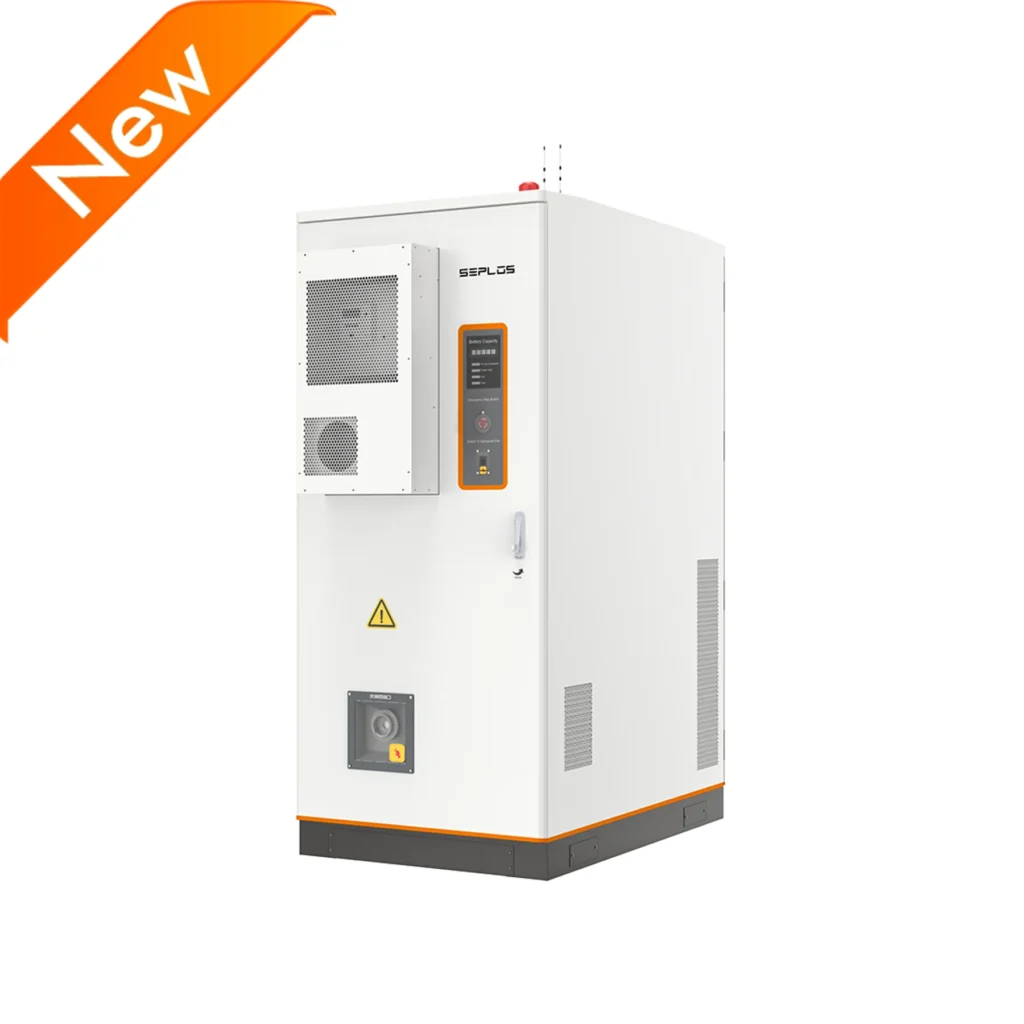
This is exactly the philosophy behind the Seplos Mason Series. Designed as a highly expandable battery storage system, you can easily start with a 16kWh Mason 314L unit. When you need more power, you can seamlessly parallel it up to 32kWh (or much more) using the same BMS protocol and the same inverter interface—no core equipment replacement required.
How Much Does Battery Storage Expansion Cost — And Is It Worth It?
This is the ultimate question: Is it worth expanding home battery storage?
Let’s look at the numbers. In 2026, the battery storage expansion cost per kWh has become incredibly attractive.
Because you already own the hybrid inverter, the mounting infrastructure, and the main wiring, expanding an existing system is typically 30% to 40% cheaper than installing a brand-new system.
In the European market, adding a high-quality 16kWh LiFePO4 expansion module (hardware only) can cost under €5,000. Including professional installation, the total project usually ranges from €6,000 to €8,500.
The ROI Calculation (Example):
If you live in Germany paying €0.38/kWh for grid electricity, an extra 16kWh of usable solar storage saves you roughly €6 per day. That’s nearly €2,000 saved per year.
This means the battery storage payback period in Europe for an expansion can be as short as 3 to 4 years (even faster if you utilize dynamic pricing arbitrage!).
When is expansion a guaranteed “Yes”?
- Your electricity consumption has increased (new EV or heat pump).
- Your current battery is empty by 8 PM every night.
- You have a dynamic energy tariff (like Octopus Agile/Flux) and want to maximize arbitrage profits.
Real Example: From 16kWh to 32kWh — What One Installer Did
To show you how smooth this process can be, let’s look at a real-world scenario from a battery storage installer in Europe.
In 2023, an installer in Bavaria, Germany, fitted a client’s home with a 10kW hybrid inverter and a single Seplos Mason 16kWh battery. The system worked perfectly.
In early 2025, the client bought a Tesla and realized they needed more overnight charging capacity. They called the installer to ask, “Can we expand?” (Batteriespeicher erweitern / nachrüsten).
Because the system was designed modularly, the process was incredibly simple:
- The installer confirmed the existing 10kW inverter could handle the extra capacity.
- They ordered a second, identical Seplos Mason 16kWh module.
- On-site, they physically stacked the new battery, connected the parallel DC cables, and linked the RS485 communication cable. The Seplos BMS automatically recognized the new module and balanced the system.
- The entire job took less than 4 hours.
The Result: The client now charges their EV with 100% stored solar energy, dropping their monthly electricity bill from €180 down to just €40. For the installer, the expansion project was highly profitable and fast, cementing a lifelong relationship with a happy customer.
The Short Answer + Next Step
Flexible expansion isn’t just a bonus feature—it’s a basic requirement for any battery system worth buying in 2026. The key is choosing the right modular system from day one and working with a reliable manufacturer whose products will still be compatible when you need that next module.
- For New Buyers: Looking to build a future-proof system? Explore the highly scalable Mason-314L-O, designed for easy expansion from 16kWh to 32kWh and beyond.
- For Existing System Owners & Installers: Not sure if your current setup can handle more capacity? Tell us what equipment you have, and our engineers will check compatibility for you. Contact Us Today for a Free Assessment.
Frequently Asked Questions About Expanding Battery Storage
Can I add more batteries to my existing solar system?
Yes, but the new batteries must be compatible with your existing battery system, inverter, and BMS communication protocol. Using the same battery model and manufacturer is usually recommended.
How many batteries can I add to my energy storage system?
The maximum expansion capacity depends on your inverter rating, battery management system, and manufacturer specifications. Always check the system expansion limits before adding modules.
Can old and new batteries be used together?
It is generally not recommended. Batteries with different ages may have different capacities and internal resistance, which can reduce system efficiency and shorten battery lifespan.
Is a modular energy storage system worth buying?
Yes. A modular system allows you to start with the capacity you currently need and expand later, reducing upfront investment while keeping future upgrade options available.
How much does battery storage expansion cost?
The cost depends on battery capacity, installation requirements, and compatibility. Expanding an existing modular system is usually more economical than replacing the complete energy storage system.