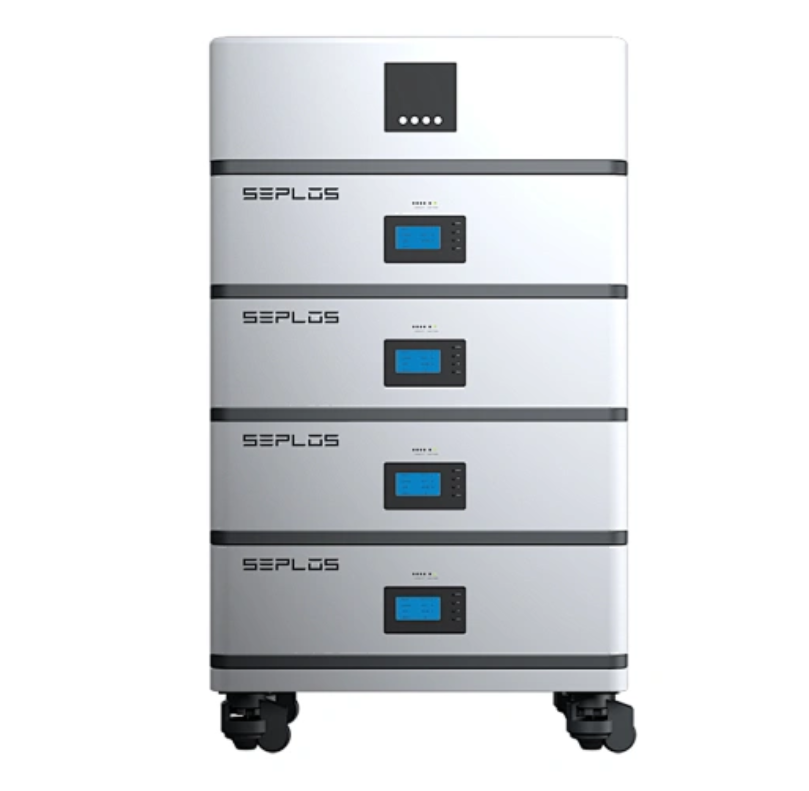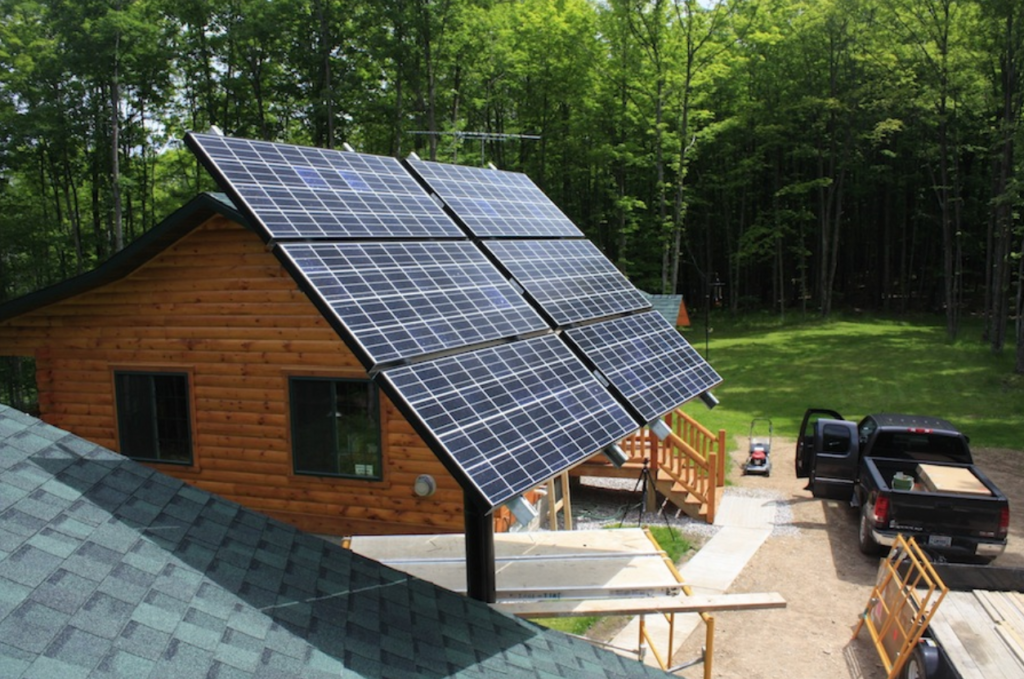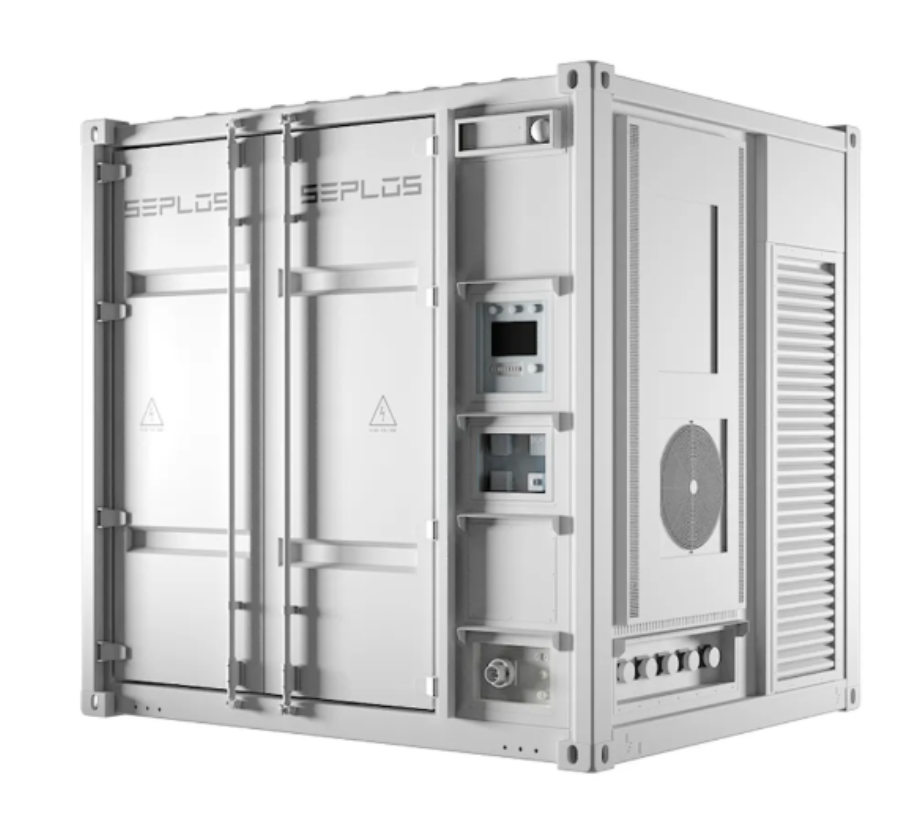
As the world moves toward more sustainable energy solutions, the need for effective energy management systems has become increasingly paramount. One significant player in this space is the Battery Energy Storage System (BESS). This technology utilizes energy storage battery to store and manage electrical energy efficiently, playing a vital role in modern energy grids and renewable energy applications. This article explores the concept of BESS and its essential role in energy management.
Quick Answer: What Is BESS?
BESS stands for Battery Energy Storage System. It is a system that stores electrical energy in batteries and delivers power when needed.
A typical BESS includes battery modules, a Battery Management System (BMS), power conversion equipment, and energy management controls. BESS is widely used for renewable energy storage, backup power, peak shaving, and grid stabilization.
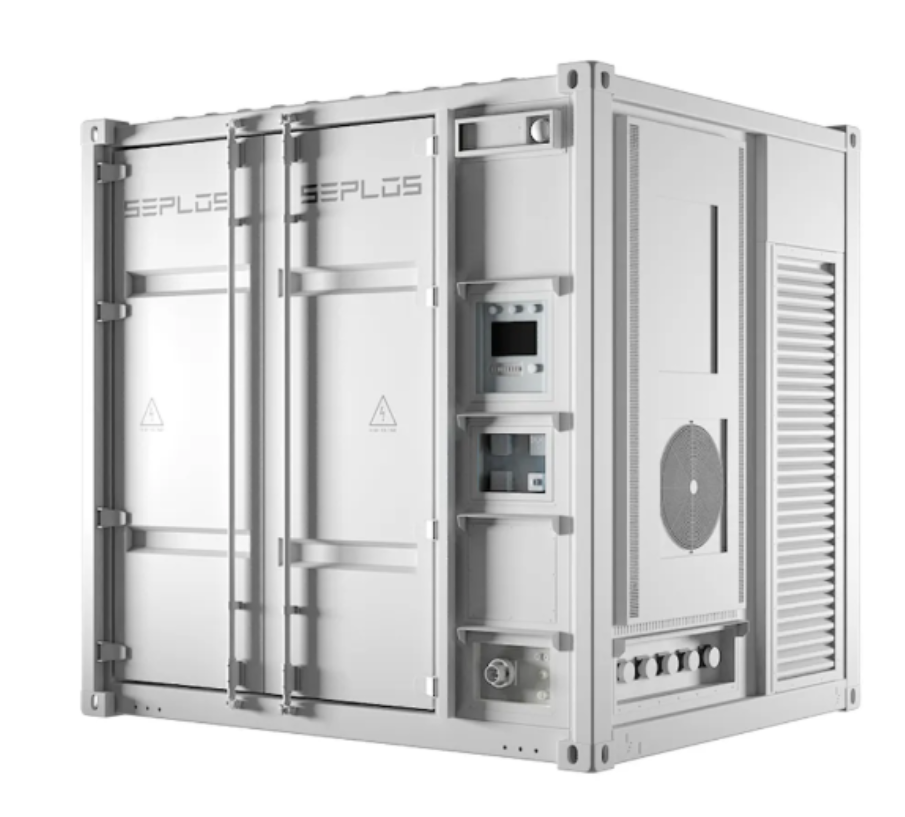
What is a BESS?
A Battery Energy Storage System (BESS) consists of an assembly of energy storage batteries, power conversion systems, and control systems that work together to store excess electricity generated from renewable sources such as solar and wind. The primary function of a BESS is to store energy when production exceeds demand, allowing it to be used later when energy generation is lower than consumption.
Energy storage batteries within a BESS typically include lithium-ion, lead-acid, or flow batteries, each offering unique advantages in terms of efficiency, lifespan, and cost. By integrating these batteries into a cohesive system, BESS can stabilize energy supply, enhance grid reliability, and facilitate the transition to renewable energy sources.
The Role of BESS in Energy Management
BESS is crucial for energy management due to its ability to address several key challenges faced by today’s energy systems. One of the most significant benefits is peak shaving. In many regions, electricity demand fluctuates throughout the day, often peaking during specific hours. A BESS can help reduce the load on the grid during these peak times by discharging stored energy, thereby lowering energy costs and minimizing the need for additional power generation capacity.
Moreover, BESS aids in the integration of renewable energy sources. Solar and wind energy production is inherently variable and may not always align with local energy demands. A BESS can efficiently capture surplus energy generated during peak production periods and store it for use during times when production is low. This capability not only maximizes the use of renewable energy but also enhances grid stability and reduces reliance on fossil fuels.
Additionally, BESS can provide ancillary services to the grid, such as frequency regulation and voltage support. These services are vital for maintaining grid reliability, especially as more intermittent renewable energy sources are integrated into the energy mix. By rapidly responding to changes in energy demand and supply, BESS contributes to a more resilient and reliable energy infrastructure.
FAQ: Battery Energy Storage System
Q1: What does BESS stand for in energy?
BESS stands for Battery Energy Storage System. It refers to a system that stores electrical energy using batteries and manages energy supply according to demand.Q2: How does a BESS work?
A BESS stores electricity when energy production is higher than demand and releases stored energy when demand increases or renewable generation decreases.Q3: What are the main components of a BESS?
The main components of a BESS include battery cells, battery modules, a Battery Management System (BMS), power conversion systems (PCS), and energy management software.Q4: Why is BESS important for renewable energy?
BESS helps overcome renewable energy fluctuations by storing excess solar and wind power and providing electricity when renewable generation is unavailable.Q5: What are common applications of BESS?
Common BESS applications include renewable energy integration, backup power, peak shaving, frequency regulation, and commercial energy management.Conclusion
In conclusion, the Battery Energy Storage System (BESS) is an essential component of modern energy management strategies. By utilizing energy storage batteries to balance supply and demand, BESS helps optimize energy use, enhance grid reliability, and promote the integration of renewable resources. As the demand for cleaner and more efficient energy solutions grows, understanding the significance of BESS will be crucial for both consumers and energy providers alike. Investing in BESS technology ultimately paves the way for a more sustainable and resilient energy future.
Seplos provides reliable Battery Energy Storage System solutions for residential and commercial applications. Contact our team to explore how BESS technology can support your energy management goals.